

In this article 15 sections
- What Is the Best Roof for a Warehouse?
- How We Ranked the Options
- Best Overall | TPO
- Best for Longevity | Standing Seam Metal
- Best for Budget Extension | Silicone Coating Restoration
- Best for Insulation | Spray Foam
- Warehouse-Specific Factors | Skylights, HVAC Units, Foot Traffic
- FAQs | Warehouse Roofing
- What R-value should a warehouse roof have?
- Are skylights a leak risk on warehouse roofs?
- Is a metal or flat roof better for a warehouse?
- How often should a warehouse roof be inspected?
- Can a warehouse roof be replaced without stopping operations?
- What type of roof do most warehouses have?
- Schedule a Warehouse Roof Consultation
What Is the Best Roof for a Warehouse?
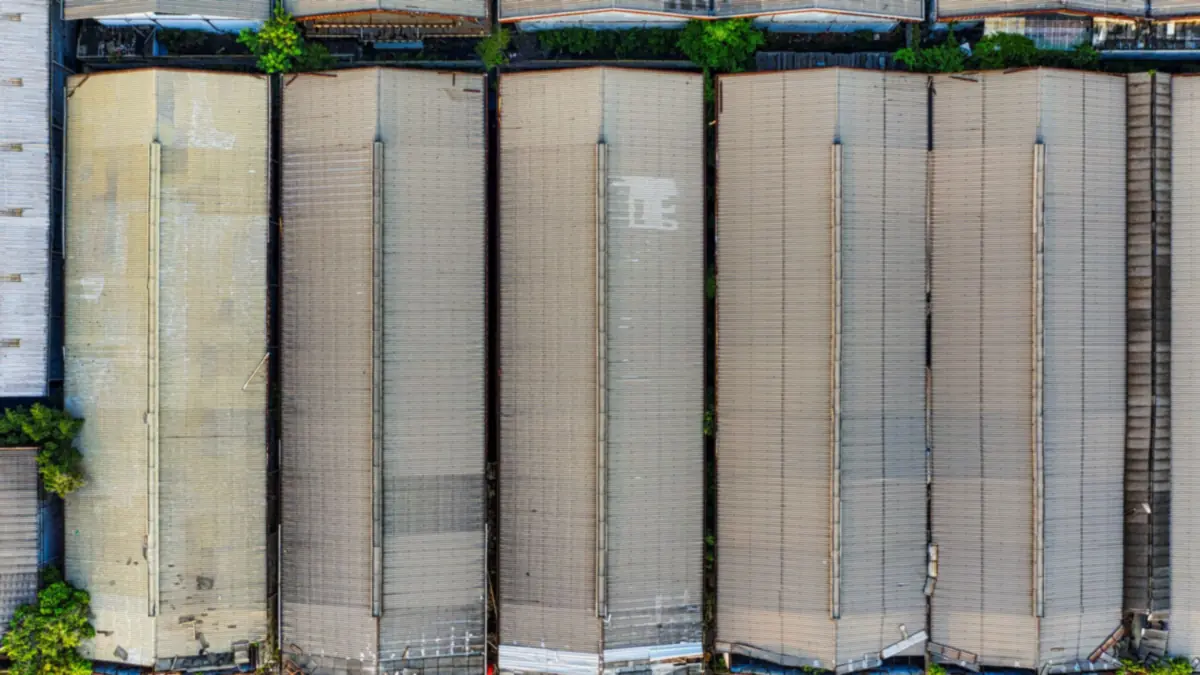
Warehouses have specific demands: huge roof areas, rooftop units, skylights, forklifts and inventory below that can’t get wet. Here’s how we rank the options when planning commercial roofing in San Antonio for logistics buildings.
How We Ranked the Options
- Cost per square foot at scale: warehouse roofs are large, so small differences add up
- Lifespan and cost per year of service
- Heat performance in San Antonio summers
- Disruption to operations during installation
- Hail and wind resistance

Best Overall | TPO
TPO dominates warehouse roofs because it combines a low installed cost with a white, reflective surface and heat-welded seams. Choose 60 mil as a baseline and 80 mil where foot traffic around rooftop units is heavy or hail risk is a concern. Lifespan: 20 to 30 years. See TPO roofing in San Antonio.
Best for Longevity | Standing Seam Metal
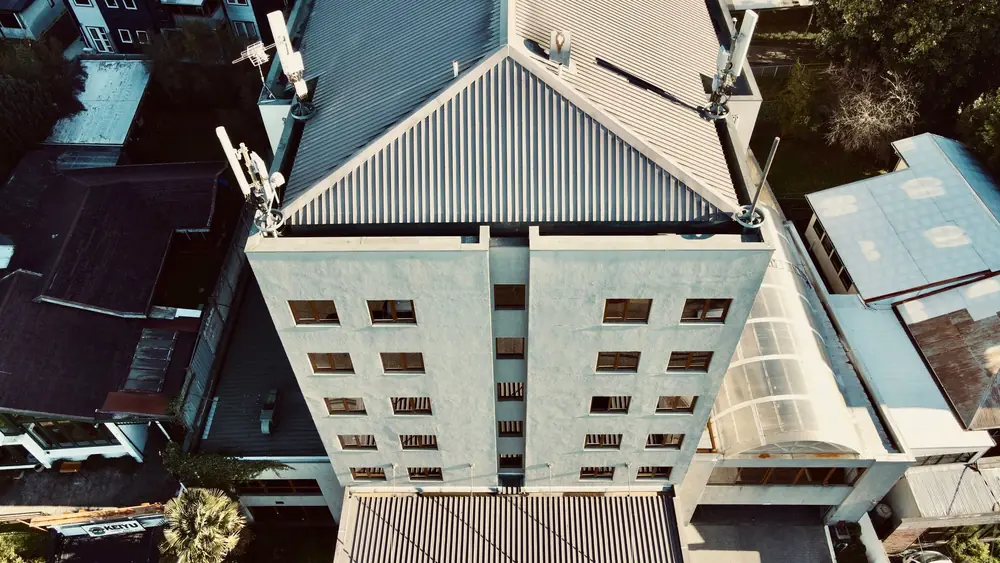
At $8.64 to $15.35 per sq ft in San Antonio, standing seam costs more up front but can last 40 to 70 years with minimal maintenance. It suits sloped warehouses, pre-engineered metal buildings and owners planning to hold for decades. See standing seam metal roofing.
Best for Budget Extension | Silicone Coating Restoration
If the existing roof is dry and structurally sound, a silicone coating at about $1.50 to $4.50 per sq ft can add 10 to 20 years, without tear-off or opening the roof over inventory. On a 100,000 sq ft warehouse, that’s roughly $150,000 to $450,000 versus well over half a million for replacement. See commercial roof coatings in San Antonio.
Best for Insulation | Spray Foam
Spray foam adds about R-6 per inch and seals around penetrations without seams. It’s a strong option for older warehouses with little insulation, as long as the protective coating is renewed about every 15 years. See spray foam roofing.
| Rank | System | Installed cost (San Antonio) | Lifespan | Best for |
|---|---|---|---|---|
| 1 | TPO | $5.28 – $8.16 | 20 – 30 yrs | Most low-slope warehouses |
| 2 | Standing seam metal | $8.64 – $15.35 | 40 – 70 yrs | Long-term owners, sloped roofs |
| 3 | Silicone coating | $1.50 – $4.50 | 10 – 20 yrs (recoatable) | Aging but dry roofs |
| 4 | Spray foam | $5.28 – $9.12 | 30+ yrs with recoats | Under-insulated buildings |
Costs and lifespans: Commercial Roof Guide, San Antonio (Mar 2026); coating cost: Roofr (2026).
Warehouse-Specific Factors | Skylights, HVAC Units, Foot Traffic
- Skylights: common leak points and fall hazards. Re-curb or replace them with the roof, and add fall protection.
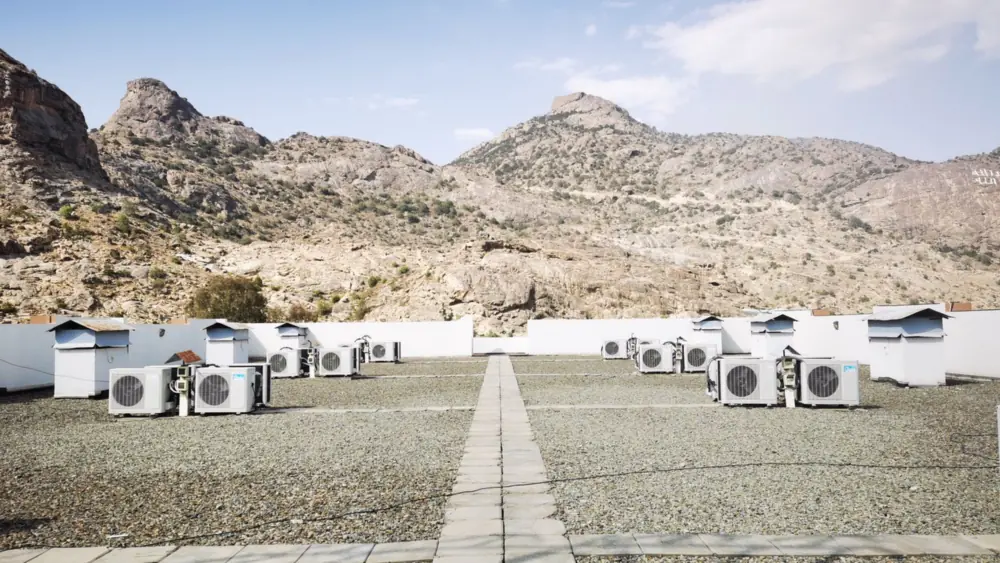
- HVAC units and exhaust fans: each penetration needs proper flashing. Plan walkway pads to service paths.
- Foot traffic: thicker membranes or walkways protect high-traffic routes.
- Drainage: large flat areas often need tapered insulation to stop ponding.
- Operations: phase the work so docks and sensitive inventory areas stay protected.
FAQs | Warehouse Roofing
What R-value should a warehouse roof have?
It depends on the energy code the permit applies and whether the space is conditioned. A replacement often has to add insulation to meet current code. Your roofer should confirm the requirement before bidding.
Are skylights a leak risk on warehouse roofs?
Yes. Aging skylight curbs and flashing are among the most common warehouse leak sources. Replacing or re-curbing them during a roof project is far cheaper than doing it separately later.
Is a metal or flat roof better for a warehouse?
Flat (low-slope) roofs with TPO are the most common and cost-effective. Metal is better on sloped buildings and for owners who want the longest lifespan.
How often should a warehouse roof be inspected?
At least twice a year, in spring and fall, and after every major storm. Large roofs hide problems, so regular inspections catch issues before they reach inventory.
Can a warehouse roof be replaced without stopping operations?
Yes. Large roofs are replaced in phases, each section closed watertight daily, with work above sensitive areas scheduled around your operations.
What type of roof do most warehouses have?
Most modern warehouses have a low-slope roof covered with a single-ply membrane, usually white TPO, over rigid insulation on a steel deck. Pre-engineered metal buildings typically have metal panel roofs, either exposed fastener or standing seam.
Schedule a Warehouse Roof Consultation
We’ll survey your roof, map wet areas, and recommend the best-value system for your building and how long you plan to own it.
- Free roof assessment for warehouses across San Antonio and the I-35 corridor, including warehouse roofing in Schertz, Converse and Selma
- Options priced side by side, with a phase plan for your operations
Book your free roof inspection in San Antonio or see warehouse & distribution center roofing.
Start the conversation
Questions get answered by the roofers who wrote the article, not a chatbot.