

In this article 12 sections
- What Is the Best Roof for Cold Storage and Food Plants?
- Unique Challenges | Condensation, Grease, Sanitation
- Recommended Systems and Why
- Insulation and Vapor Control Requirements
- Replacing a Roof Without Disrupting Production
- FAQs | Cold Storage Roofing
- Why does my cold storage roof drip inside?
- Is PVC required for food processing plants?
- Can a cold storage roof be coated?
- What causes ice on the underside of a freezer roof?
- How thick should cold storage roof insulation be?
- Talk to a Food-Facility Roofing Specialist
What Is the Best Roof for Cold Storage and Food Plants?
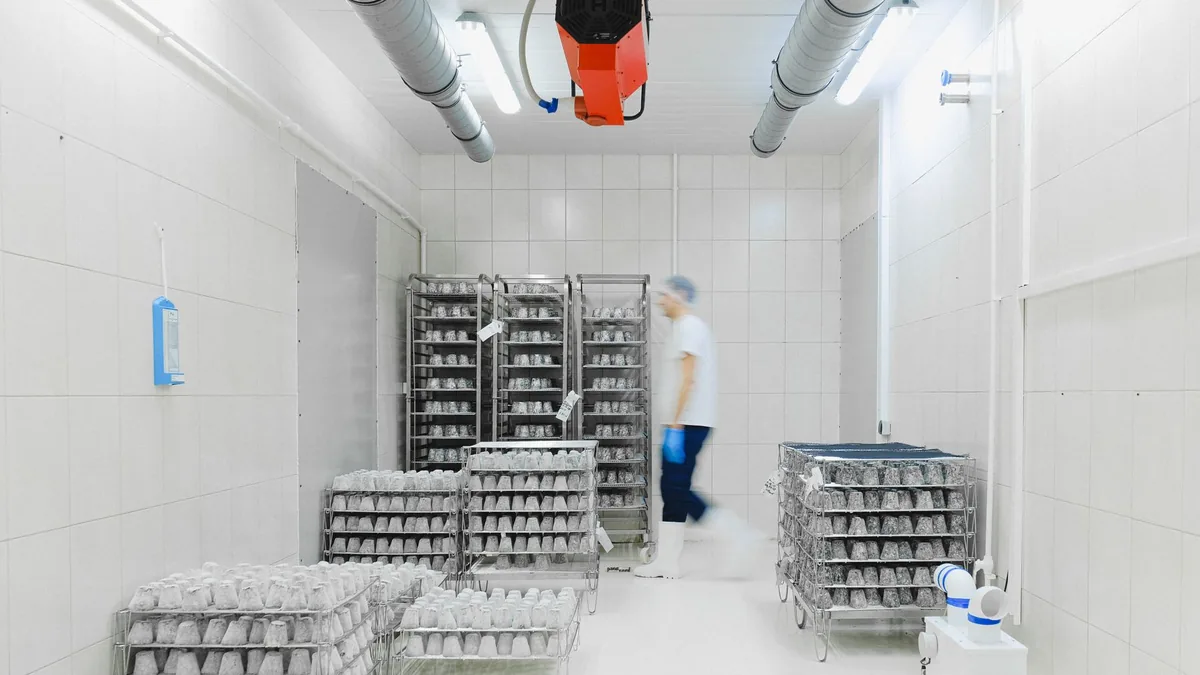
Cold rooms flip normal roof design on its head: warm, humid outside air is always trying to push into the freezer. Here’s how we approach these buildings as part of commercial roofing in San Antonio.
Unique Challenges | Condensation, Grease, Sanitation
- Inward vapor drive: In warm climates, moisture moves from the hot, humid exterior toward the cold interior. If it reaches a surface below the dew point, it condenses inside the roof.
- Air leakage: Air leaks move far more moisture than diffusion. A small hole can let in many times more water than vapor passing through the material itself.
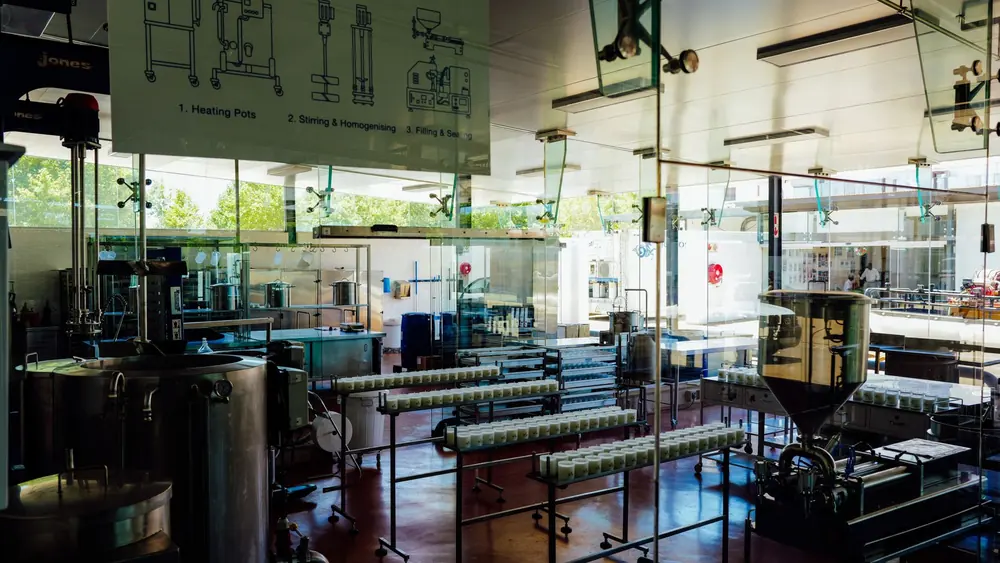
- Grease and chemicals: Food plants exhaust fats, oils and cleaning chemicals that degrade TPO and EPDM.
- Sanitation: Drips, ice and mold inside a food facility can become a food-safety problem, not just a building problem.
Recommended Systems and Why
| Area | Recommended | Why |
|---|---|---|
| Freezer and cooler roofs | Fully adhered PVC or TPO acting as the vapor retarder | Membrane on the warm side blocks inward vapor drive; adhering avoids fasteners that bridge cold |
| Process areas with exhaust | PVC (KEE grades for heavy exposure) | Resists fats, oils and chemicals |
| Dry storage and offices | White TPO | Cost-effective and reflective |
PVC runs about $6.24 to $9.60 per sq ft installed in San Antonio before insulation. In cold storage, insulation and detailing usually cost more than the membrane. See PVC roofing and TPO roofing in San Antonio.
Insulation and Vapor Control Requirements
- Put the vapor retarder on the warm (outside) side. In San Antonio’s climate, the roof membrane typically does this job.
- Use enough insulation to keep every interior surface above the dew point.
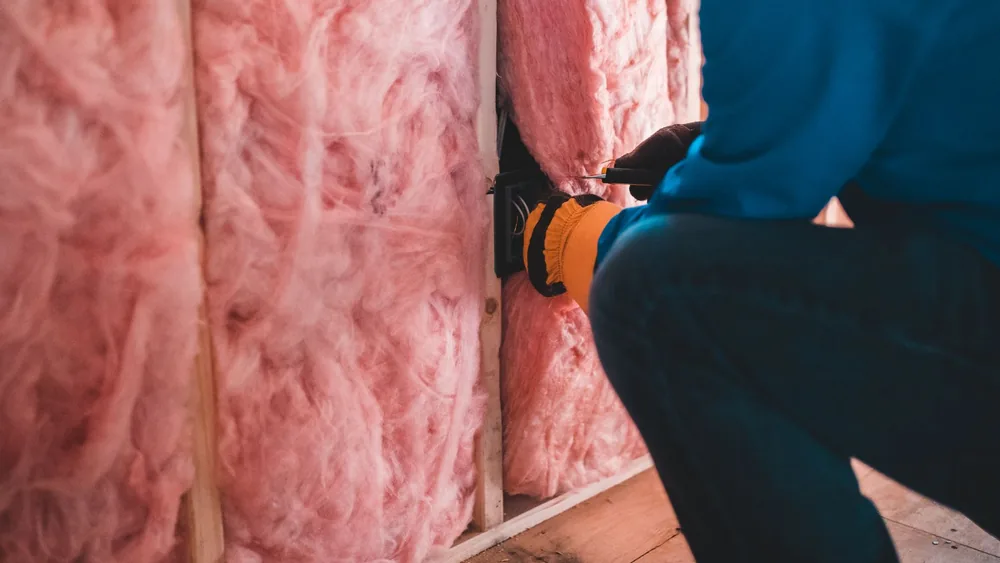
- Install insulation in at least two layers with offset joints, and fill any gaps between boards.
- Adhere the membrane and upper insulation layers rather than screwing through them, since fasteners create cold bridges.
- Seal every path for air: laps, penetrations, roof-to-wall joints, and steel deck flutes at walls and penetrations.
- Insulate and seal parapets, curbs and roof edges, where condensation often starts.
- Allow for movement with flexible pipe boots and details that handle temperature swings.
Design principles: GAF cold storage guidance as summarized in Roofers Coffee Shop.
Replacing a Roof Without Disrupting Production
- Phase work so only small sections are open at once, sealed by the end of each day
- Schedule work above freezers and sensitive production for planned shutdown windows where possible
- Protect air intakes from odors and dust during work
- Coordinate with your food-safety team on debris control and access
FAQs | Cold Storage Roofing
Why does my cold storage roof drip inside?
Usually condensation, not a roof leak. Warm, humid air gets into the roof assembly through unsealed laps, penetrations or edges and condenses on cold surfaces. Finding and sealing the air paths, and checking insulation thickness, typically fixes it.
Is PVC required for food processing plants?
Not by rule, but it’s strongly recommended anywhere grease, fats or cleaning chemicals reach the roof, because they degrade TPO and EPDM. Areas without that exposure can use TPO.
Can a cold storage roof be coated?
Sometimes, if the insulation is dry and there’s no condensation problem inside the assembly. Coating over wet insulation in a cold building traps moisture and makes problems worse, so test first.
What causes ice on the underside of a freezer roof?
Moist air reaching the cold side of the assembly and freezing. It points to air leaks or gaps in the vapor retarder, especially at walls, curbs and deck flutes.
How thick should cold storage roof insulation be?
Thick enough to keep interior surfaces above the dew point for the room’s temperature, which is far more than a standard roof. The exact amount depends on room temperature and design conditions, so it should be calculated for your building.
Talk to a Food-Facility Roofing Specialist
We’ll inspect your roof and the underside conditions, find air and moisture paths, and recommend a system that keeps your cold rooms dry and your plant running.
- Free roof assessment for food and cold-storage facilities across San Antonio and the I-35 corridor, including Schertz and commercial roofing in New Braunfels
Book your free roof inspection in San Antonio or see cold storage & food processing roofing.
Start the conversation
Questions get answered by the roofers who wrote the article, not a chatbot.