

In this article 22 sections
- What Are the Main Types of Commercial Roofing?
- Low-Slope vs Steep-Slope | Which Group Fits Your Building?
- Comparison Table | Cost, Lifespan, Heat and Hail Resistance
- Single-Ply Membranes | TPO, PVC and EPDM
- TPO
- PVC
- EPDM
- Modified Bitumen and Built-Up Roofing (BUR)
- Metal Roofing | Standing Seam and Exposed Fastener
- Spray Foam (SPF) and Liquid-Applied Coatings
- Steep-Slope Commercial Roofs | Tile, Slate and Shingle
- How to Choose the Right System for Your Building in San Antonio
- Quick picks by building type
- FAQs | Commercial Roof Types
- How do I tell what type of flat roof I have?
- How can you tell TPO from PVC?
- Are PVC and TPO compatible?
- What are the downsides of TPO roofing?
- Is TPO or EPDM more expensive?
- What type of flat roof is the most durable?
- What is the “25% rule” in roofing, and does it apply in San Antonio?
- Talk to a Commercial Roofing Specialist
What Are the Main Types of Commercial Roofing?
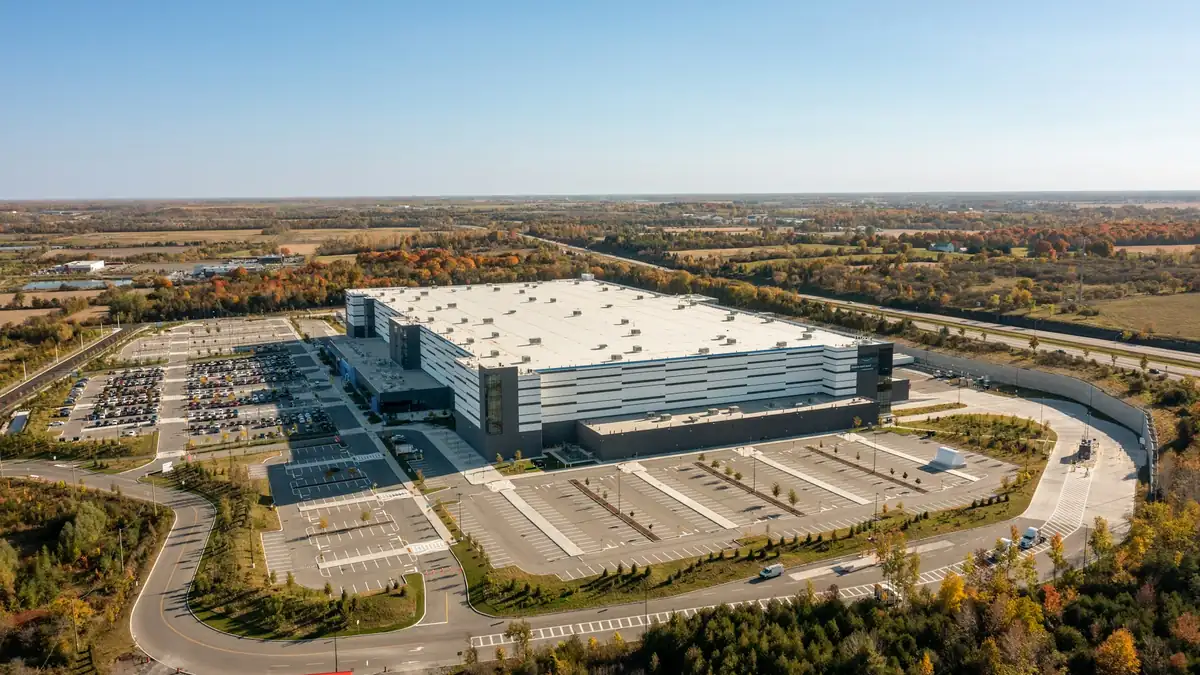
The right system for your building is not the “best” material in general. It is the one that fits your roof’s slope, what sits on and under the roof, how long you plan to own the property, and how much heat and hail the roof will see. This guide walks through each option in plain terms, based on how we approach commercial roofing in San Antonio, then shows you how to narrow the list for your own building.
Low-Slope vs Steep-Slope | Which Group Fits Your Building?
Before comparing materials, sort your roof into one of two groups. Slope decides which systems are even on the table.
| Low-slope (“flat”) roofs | Steep-slope roofs | |
|---|---|---|
| Pitch | Less than 3:12 (most look flat) | 3:12 and steeper |
| Typical buildings | Warehouses, big-box retail, offices, hospitals, plants, strip centers | Churches, smaller offices, multifamily, hospitality, restaurants with pitched roofs |
| How water leaves | Through drains, scuppers and gutters, so drainage design matters | Gravity sheds water off the slope |
| Systems that work | TPO, PVC, EPDM, modified bitumen, BUR, spray foam, coatings, standing seam metal (at low pitch) | Metal panels, tile, slate, shingles |
Many San Antonio properties have both: a flat main roof with pitched sections over entries or mansard fronts. Each section is chosen on its own merits, but the details where they meet (walls, parapets, valleys) are where leaks usually start, so they need to be designed together.
Comparison Table | Cost, Lifespan, Heat and Hail Resistance
Use this table as a planning shortcut. Costs are national installed ranges for a 25,000 sq ft roof, including tear-off. Your bid will move within the range mostly because of insulation thickness, attachment method and roof condition.
| System | Installed cost / sq ft | Expected lifespan | Heat performance | Hail performance |
|---|---|---|---|---|
| TPO | $4.55 – $14.65 | 20 – 30 yrs | Excellent (white, reflective) | Good with thicker membrane and a cover board |
| PVC | $5.85 – $15.40 | 15 – 30 yrs | Excellent (white, reflective) | Good; similar to TPO |
| EPDM | $4.85 – $14.95 | 10 – 15 yrs* | Poor in black; white EPDM is better | Good; rubber flexes under impact |
| Modified bitumen | $9.15 – $20.25 | 10 – 30 yrs | Fair; good with a reflective cap sheet | Very good; multiple plies add protection |
| Built-up (BUR) | Varies by plies | 15 – 20 yrs | Fair; gravel surface helps | Very good; gravel absorbs impact |
| Metal (exposed fastener) | $8.25 – $13.75 | 40 – 60+ yrs | Good with a reflective finish | Resists punctures, but dents |
| Metal (standing seam) | $12.75 – $21.25 | 40 – 60+ yrs | Good with a reflective finish | Resists punctures, but dents |
| Spray foam (SPF) | $11.50 – $13.25 | Decades if recoated | Excellent (insulates + reflects) | Fair; punctures need prompt recoat repair |
Sources: installed costs from the Roof Observations commercial cost guide (updated Jan 2026, 25,000 sq ft basis). Lifespans from GAF. *Well-installed, maintained EPDM often outlasts this conservative figure. Coatings are covered in their own section below.
Want a number for your own building? Plug your square footage into our commercial roofing cost calculator. For what goes into a full replacement bid, see our page on commercial roof replacement in San Antonio.
Single-Ply Membranes | TPO, PVC and EPDM
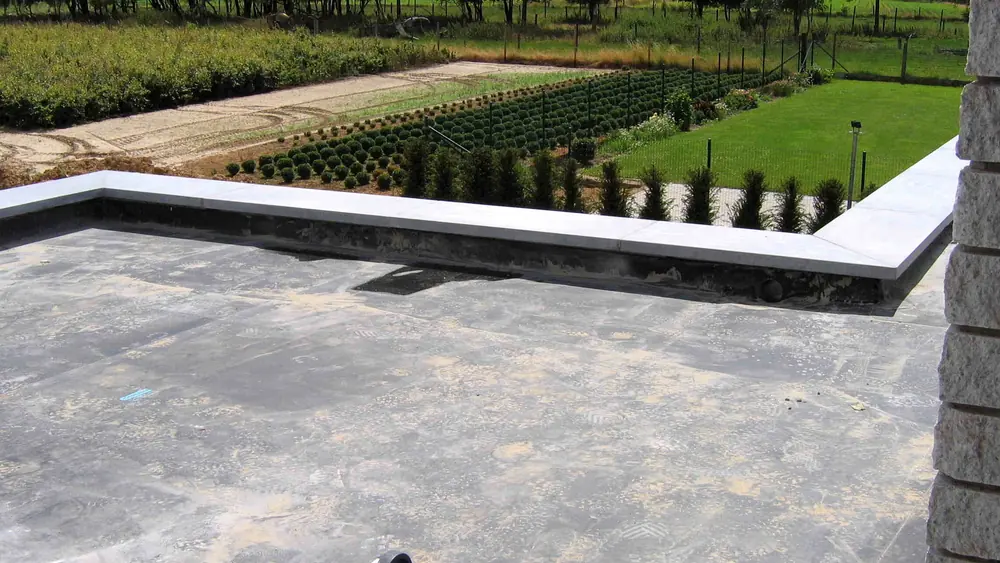
Single-ply roofs are large sheets of membrane laid over insulation and either fastened, glued or weighted down. They are what you see on many of the flat commercial roofs along I-35 and Loop 410.
TPO
TPO (thermoplastic polyolefin) is the most widely installed single-ply membrane in the U.S. Its seams are heat-welded into one continuous sheet, and the standard white surface reflects most of the sun’s heat. That makes it the default choice for warehouses, retail and offices in South Texas. Choose a thicker membrane (60 or 80 mil) where foot traffic or hail risk is high. See TPO roofing in San Antonio.
PVC
PVC looks and installs much like TPO, but it stands up better to grease, oils and many chemicals. If your roof has restaurant exhaust, a food-processing vent or chemical fumes, PVC is usually worth the higher price. See PVC roofing, and for food plants specifically, cold storage and food processing roofing in San Antonio.
EPDM
EPDM is a synthetic rubber membrane with a long track record. It is flexible and simple to patch, but standard black EPDM absorbs heat, which works against you in a San Antonio summer. Its seams are taped or glued rather than welded. EPDM still makes sense on some re-roofs and shaded roofs. See EPDM rubber roofing.
Modified Bitumen and Built-Up Roofing (BUR)
These are multi-layer systems. Instead of one sheet, they stack two or more plies, which gives them redundancy: if the top layer is damaged, there is still protection underneath.
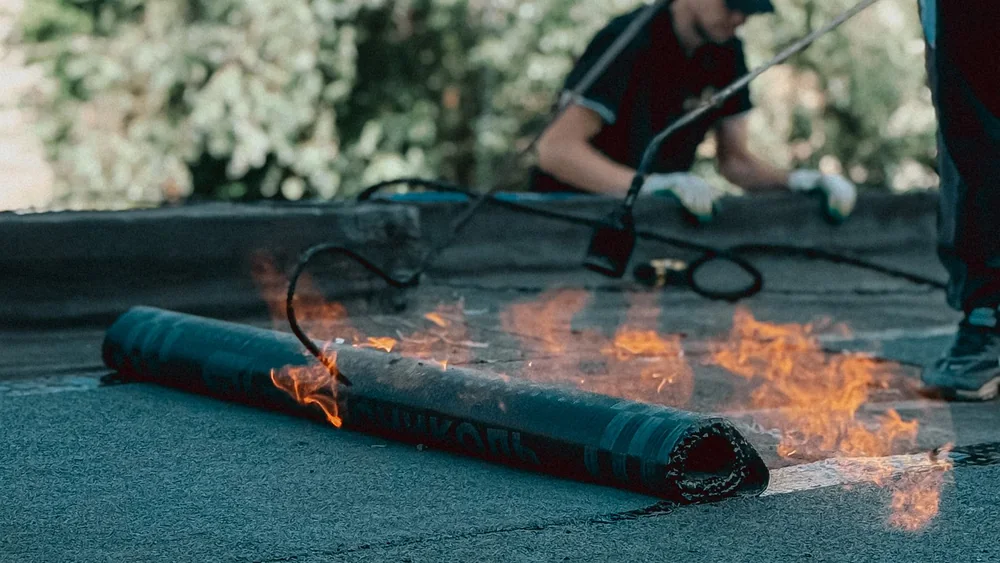
- Modified bitumen uses asphalt sheets reinforced with polyester or fiberglass. SBS sheets stay flexible; APP sheets are torch-applied. A white or granulated cap sheet improves heat performance. It handles foot traffic and impact well. See modified bitumen roofing.
- Built-up roofing (BUR) is the traditional “tar and gravel” roof: alternating layers of felt and asphalt topped with gravel. It is heavy and durable, but it is labor-intensive and less common on new projects.
These systems fit buildings with heavy rooftop traffic or owners who value redundancy. On occupied buildings, ask how the contractor will handle fumes and fire safety, since some methods use hot asphalt or open flame.
Metal Roofing | Standing Seam and Exposed Fastener
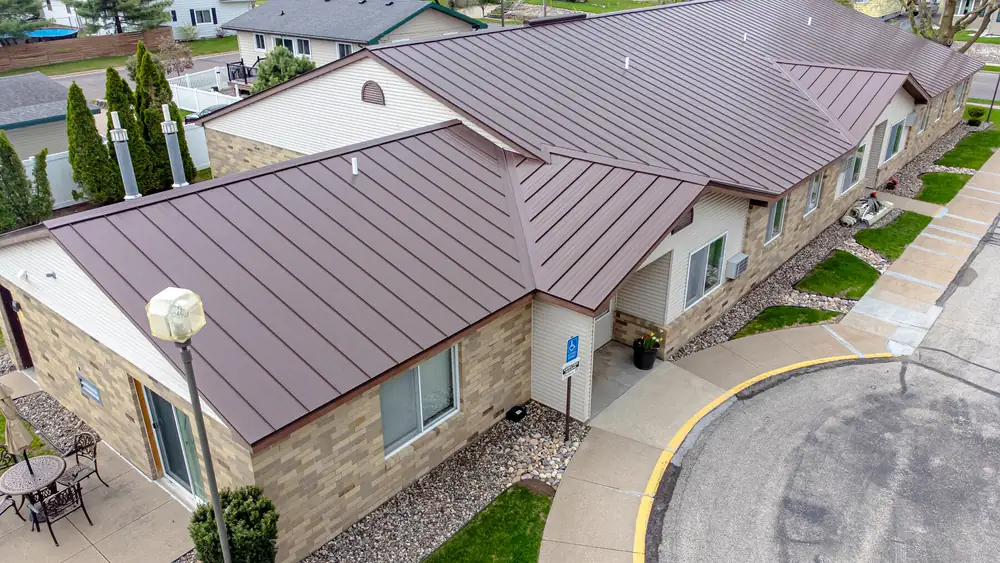
Metal is the longest-lasting option here, and it is everywhere in San Antonio’s industrial parks and on pre-engineered metal buildings. There are two main panel types:
| Exposed fastener (R-panel, PBR) | Standing seam | |
|---|---|---|
| How it attaches | Screws go through the panel face | Hidden clips; seams are raised and locked |
| Leak risk | Higher over time; screw washers dry out and loosen | Lower; no holes through the panel face |
| Maintenance | Fasteners need checking and eventual replacement | Minimal |
| Installed cost | $8.25 – $13.75 / sq ft | $12.75 – $21.25 / sq ft |
| Best for | Budget-driven metal buildings, barns, canopies | Long-term owners, warehouses, visible roofs |
Hail rarely punctures metal, but it can dent it. Many commercial policies exclude cosmetic dents, so check your coverage before choosing metal for hail protection alone. If your metal roof is aging, it can often be restored with a coating or retrofitted instead of torn off. See commercial metal roofing in San Antonio and standing seam metal roofing.
Spray Foam (SPF) and Liquid-Applied Coatings
These systems are sprayed or rolled on, so they form a seamless surface with no seams to fail.
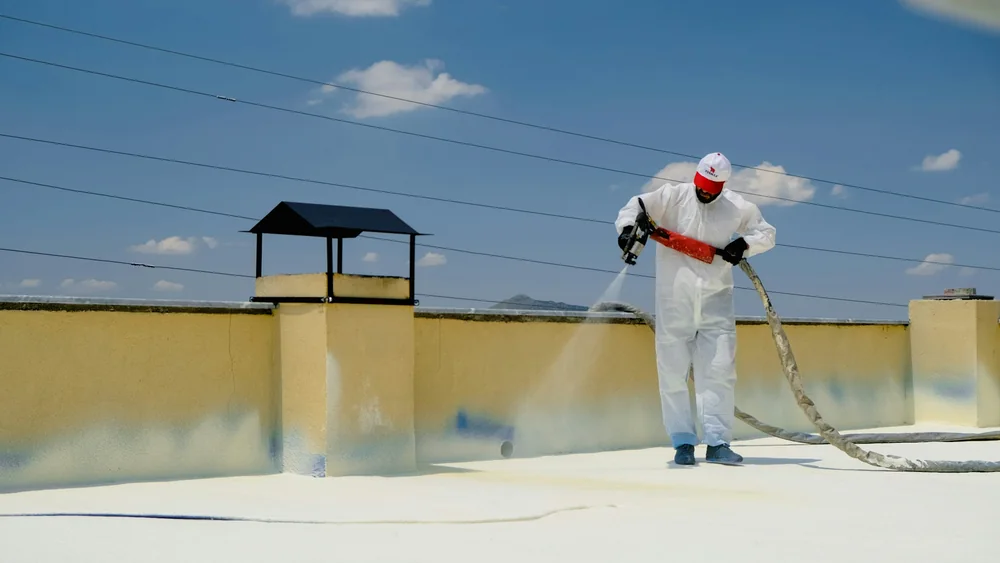
- Spray polyurethane foam (SPF) is sprayed as a liquid that expands into a rigid, insulating layer, then sealed with a protective coating. It adds insulation, fills low spots to improve drainage, and is a strong choice for odd-shaped roofs. The foam lasts for decades as long as the top coating is renewed on schedule. See spray foam roofing.
- Liquid-applied coatings (silicone, acrylic, polyurethane) are applied over an existing roof that is still structurally sound. They are a restoration option rather than a new roof, typically costing a fraction of replacement and lasting 10 to 20 years. See commercial roof coatings in San Antonio.
Steep-Slope Commercial Roofs | Tile, Slate and Shingle
Pitched commercial roofs are judged as much by looks as by performance.
- Clay and concrete tile suit the Spanish and Mission styles common across San Antonio’s churches, restaurants and hospitality properties. Tile lasts a long time, but it is heavy and individual tiles can crack under hail or foot traffic. See commercial tile roofing.
- Slate and copper are premium materials for historic and landmark buildings, where longevity and appearance justify the cost. See slate and copper roofing.
- Architectural shingles are the economical choice for small offices, clinics and multifamily buildings with pitched roofs. See commercial shingle roofing.
How to Choose the Right System for Your Building in San Antonio
Work through these questions in order. Most buildings narrow to two options by step four.
- What is the slope? Low-slope roofs need a membrane, foam, built-up system or low-pitch metal. Steep-slope roofs open up tile, slate and shingles.
- What sits on or comes through the roof? Grease exhaust and chemicals point to PVC. Heavy HVAC service traffic points to thicker membranes, walkway pads or multi-ply systems.
- How long will you own the building? Holding for 20+ years favors metal or a premium membrane. Selling in five years favors restoring what you have.
- What does the existing roof look like underneath? If the insulation is dry and the deck is sound, a coating or recover can save the cost of tear-off. A moisture survey answers this.
- How much heat does the building fight? In a city where summer highs stay in the 90s for months, a reflective white surface lowers cooling load and the roof’s own surface temperature.
- What does your insurance policy say about hail? Ask whether the policy excludes cosmetic damage and whether the proposed assembly carries an FM Global Severe Hail (SH) or Very Severe Hail (VSH) rating.
- What is the real budget: first cost or lifetime cost? Compare cost per year of service life, not only the bid total.
Quick picks by building type
| Building type | Usually the best fit | Why |
|---|---|---|
| Warehouse & distribution center roofing | TPO, or standing seam metal | Large flat areas; reflective surface; low cost per sq ft at scale |
| Metal building (PEMB) roofing | Metal retrofit or silicone restoration | Avoids tear-off; keeps the building in service |
| Cold storage & food processing roofing | PVC | Resists grease and chemicals |
| Hospital & healthcare roofing | TPO or PVC with low-odor attachment | Minimal fumes near air intakes; work around 24/7 operations |
| Retail & shopping center roofing | TPO | Cost-effective; easy to phase around tenants |
| Church roofing and Spanish-style buildings | Tile (pitched) + TPO (flat sections) | Keeps the look; flat areas stay watertight |
| Aging roof that is still dry underneath | Silicone coating | Restores the roof at a fraction of replacement cost |
Not sure which group your roof falls into? A roof assessment with a moisture scan settles most of these questions in one visit. See how we evaluate buildings by industry on our commercial roofing by industry page.
FAQs | Commercial Roof Types
How do I tell what type of flat roof I have?
Look at the surface and the seams. A white or light-gray sheet with smooth, heat-welded seams is usually TPO or PVC. Black rubber with taped or glued seams is EPDM. A granular or mineral surface points to modified bitumen, loose gravel to built-up roofing, and a textured, foam-like surface to spray foam. Your original warranty or permit records will name the exact product.
How can you tell TPO from PVC?
From the roof surface they look almost identical, so the reliable way is paperwork: the manufacturer warranty, permit file or original proposal. A roofer can also confirm on site by checking manufacturer markings along the sheet edges. Knowing which one you have matters, because repairs must use the same material.
Are PVC and TPO compatible?
Not directly. TPO and PVC cannot be heat-welded to each other, so a TPO patch on a PVC roof (or the reverse) won’t bond properly. Where the two meet, for example on a building addition, the roofer has to use a separate transition detail.
What are the downsides of TPO roofing?
Most TPO problems come from installation rather than the material: poorly welded seams and rushed flashing details around curbs and walls. TPO also resists grease and chemicals less well than PVC, and thinner membranes puncture more easily under foot traffic. Choosing a thicker membrane and an experienced installer avoids most of these issues.
Is TPO or EPDM more expensive?
They cost about the same to install. In a 2026 national cost guide, TPO ranged from $4.55 to $14.65 per sq ft and EPDM from $4.85 to $14.95, both including tear-off. The real price difference on your bid will come from membrane thickness, insulation and how the membrane is attached.
What type of flat roof is the most durable?
For day-to-day toughness, multi-ply systems like modified bitumen and gravel-surfaced built-up roofs hold up best to foot traffic and impact. For long service life on a low-slope building, standing seam metal lasts longest. Among single-ply membranes, a thicker TPO or PVC sheet over a high-density cover board is the most durable option.
What is the “25% rule” in roofing, and does it apply in San Antonio?
The rule says that if more than 25% of a roof is repaired or replaced within 12 months, the whole roof must be brought up to current code. It is best known from the Florida Building Code, and it is not a statewide Texas rule. In San Antonio, your roofer should confirm which code requirements apply to your specific project before work starts.
Talk to a Commercial Roofing Specialist
Choosing a roof system is a 20-year decision, and the right answer depends on what we find on your roof, not on a brochure. Our team will inspect your roof, check the insulation and deck for moisture, and give you a clear recommendation with costs for each realistic option.
- Free roof assessment for commercial and industrial buildings across San Antonio, including commercial roofing in Stone Oak, Westover Hills and Alamo Ranch
- Side-by-side options: repair, restore, recover or replace, priced line by line
- One accountable crew from inspection to warranty
Book your free roof inspection in San Antonio or start with a ballpark from our commercial roof replacement cost calculator.
Start the conversation
Questions get answered by the roofers who wrote the article, not a chatbot.