

In this article 16 sections
- How Long Does a Commercial Roof Last?
- Lifespan Table by Roof System
- Why Roofs Age Faster in San Antonio
- Signs Your Roof Is Near the End of Its Life
- How to Estimate How Much Life Your Roof Has Left
- When to Start Budgeting for Replacement
- How to Extend Roof Life by 5–10 Years
- FAQs | Commercial Roof Lifespan
- Does a warranty length equal roof lifespan?
- Does a coating extend the life of a roof?
- What is the IRS depreciation life of a commercial roof?
- How long does a TPO roof last in Texas?
- How long does a metal roof last on a commercial building?
- Is a 10-year-old commercial roof considered old?
- Does a 30-year roof really last 30 years?
- Find Out How Much Life Your Roof Has Left
How Long Does a Commercial Roof Last?
Lifespan is the number behind every budget decision: when to start saving, whether to repair or replace, and what a building is really worth. Here’s what to expect from each system, based on 2026 data and what we see across commercial roofing in San Antonio.
Lifespan Table by Roof System
| Roof system | Typical lifespan | What limits it |
|---|---|---|
| TPO | 20 – 30 years | Seam and flashing condition, UV |
| PVC | 25 – 35 years | Plasticizer loss on older grades |
| EPDM | 20 – 30 years | Seam adhesive, shrinkage, heat on black sheets |
| Modified bitumen | 15 – 25 years | Cap sheet wear, blistering |
| Built-up (BUR) | 20 – 30 years | Gravel loss, blistering |
| Spray foam (SPF) | 20 – 30+ years | Coating renewal about every 15 years |
| Standing seam metal | 40 – 70 years | Coatings, fasteners at trim |
| Silicone coating (over existing roof) | 10 – 20 years per coat | Thickness applied; can be recoated |
Lifespans: Commercial Roof Guide, San Antonio (Mar 2026). Coating: Roofr (2026). SPF recoat: Buildings.com.
Why Roofs Age Faster in San Antonio
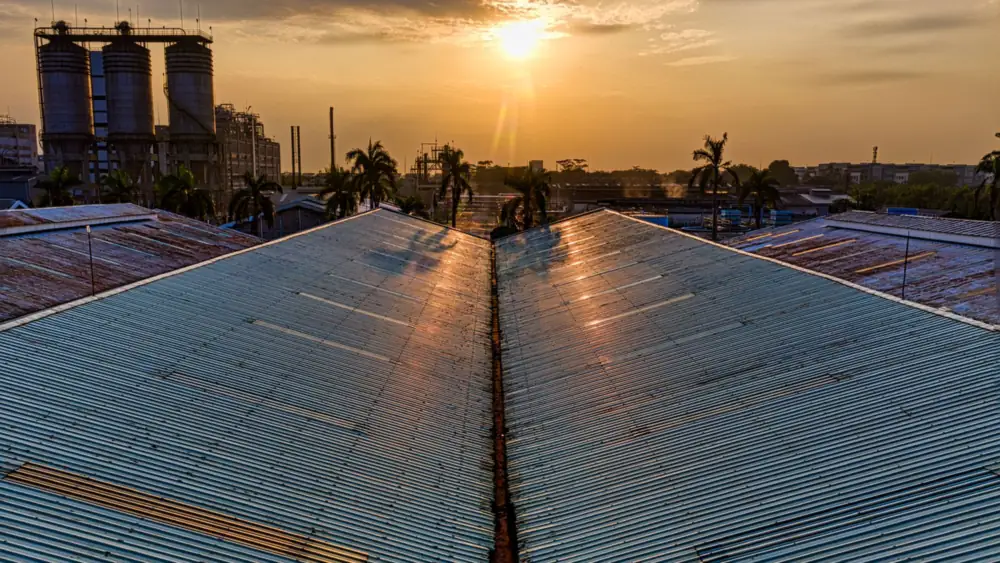
- Heat: average summer highs around 96°F bake membranes and drive expansion and contraction every day.
- UV: intense sun breaks down membranes and sealants, especially dark surfaces.
- Hail and wind: the area averages several hail and wind events a year, which can fracture membranes and lift edges.
- Sudden downpours: heavy rain on roofs with weak drainage leads to ponding, which speeds up wear.
Signs Your Roof Is Near the End of Its Life
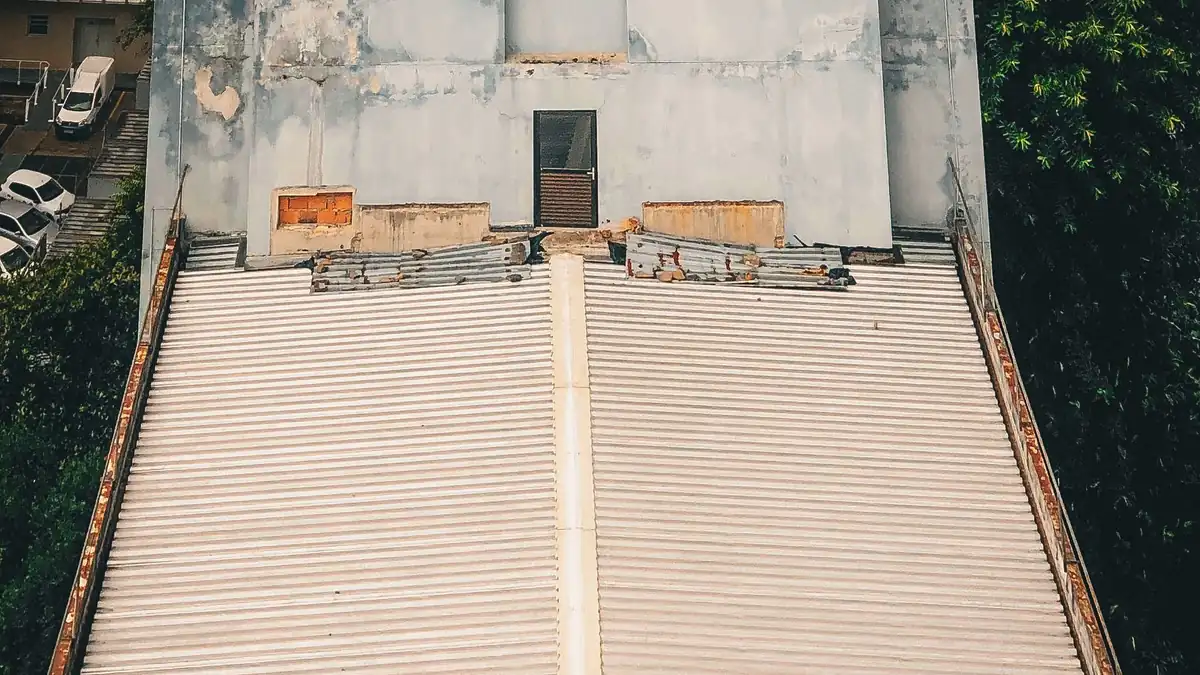
- Leaks in several places, or repeat leaks after repairs
- Open seams over long runs
- Membrane shrinking or pulling away from walls and edges
- Wet insulation found during inspections
- Blisters, cracks or exposed reinforcement scrim
- Rising yearly repair bills
How to Estimate How Much Life Your Roof Has Left
- Find the install date from permits, warranty papers or the previous owner.
- Compare it with the expected life for your system in the table above.
- Adjust for condition: a twice-yearly inspection shows whether the roof is aging normally or faster.
- Check for wet insulation: a moisture survey is the best predictor; widespread wet areas mean replacement is close.
- Count recent repairs: leaks in several areas within a year signal the end is near.
When to Start Budgeting for Replacement
| Roof age vs expected life | What to do |
|---|---|
| Under 50% | Maintain; inspect twice a year |
| 50 – 75% | Get a moisture survey; start a replacement reserve |
| 75 – 100% | Price replacement, coating and recover options; plan the year |
| Past expected life | Budget now; a storm can force the decision |
How to Extend Roof Life by 5–10 Years
- Inspect twice a year and after major storms.
- Keep drains clear so water doesn’t pond.
- Fix seams and flashings early, before water reaches the insulation.
- Limit foot traffic and add walkway pads around rooftop units.
- Restore with a coating while the roof is still dry and sound.
- Clean reflective roofs so they keep shedding heat.
See commercial roof maintenance programs and commercial roof coatings in San Antonio.
FAQs | Commercial Roof Lifespan
Does a warranty length equal roof lifespan?
No. A warranty is the period the manufacturer or contractor covers defects, and it usually comes with maintenance conditions. Roofs often outlast their warranty with good care, and can fail sooner without it.
Does a coating extend the life of a roof?
Yes, if applied while the roof is still dry and sound. A silicone coating typically adds 10 to 20 years and can be recoated again later.
What is the IRS depreciation life of a commercial roof?
A roof on nonresidential property is generally depreciated over 39 years as part of the building. A full replacement may instead qualify for Section 179 expensing. Your CPA should confirm the treatment for your situation.
How long does a TPO roof last in Texas?
Typically 20 to 30 years. Thicker 60 or 80-mil membranes, good seams and regular maintenance push it toward the high end in San Antonio’s heat.
How long does a metal roof last on a commercial building?
Standing seam metal typically lasts 40 to 70 years. Screw-down panels can also last decades, but their fasteners usually need replacing along the way.
Is a 10-year-old commercial roof considered old?
Not usually. Most commercial roofs are expected to last 20 years or more, so a 10-year-old roof is mid-life. It’s a good age for a moisture survey and a maintenance plan, and possibly a coating if the surface is weathering.
Does a 30-year roof really last 30 years?
Only with good installation, drainage and maintenance. The number on a warranty or product name is not a guarantee of life; heat, hail and neglect can cut it short, while a maintained roof can outlast it.
Find Out How Much Life Your Roof Has Left
We’ll inspect your roof, check seams, flashings and moisture under the membrane, and give you a realistic estimate of remaining life with a plan to budget for it.
- Free roof assessment across San Antonio, including commercial roof replacement in Stone Oak, Leon Valley and Westover Hills
Book your free roof inspection in San Antonio or see commercial roof replacement in San Antonio.
Start the conversation
Questions get answered by the roofers who wrote the article, not a chatbot.