


In this article 15 sections
- Modified Bitumen vs Built-Up Roofing | What’s the Difference?
- How Each System Is Built (Plies, Cap Sheets, Gravel)
- SBS vs APP Modified Bitumen
- Cost, Lifespan and Maintenance Compared
- How They Compare to TPO
- Common Problems on Mod-Bit and BUR Roofs (and the Fix)
- When Each System Makes Sense
- FAQs | Mod-Bit and BUR
- Is torch-down roofing safe on occupied buildings?
- How long does a built-up roof last?
- Can modified bitumen be coated?
- What are the types of modified bitumen roofing?
- Is modified bitumen better than TPO?
- Is modified bitumen better than EPDM?
- Get Your Multi-Ply Roof Evaluated
Modified Bitumen vs Built-Up Roofing | What’s the Difference?
Both give you something single-ply roofs don’t: several layers of protection, so one damaged layer doesn’t mean a leak. Here’s how they compare, from our experience with older flat roofs across commercial roofing in San Antonio.
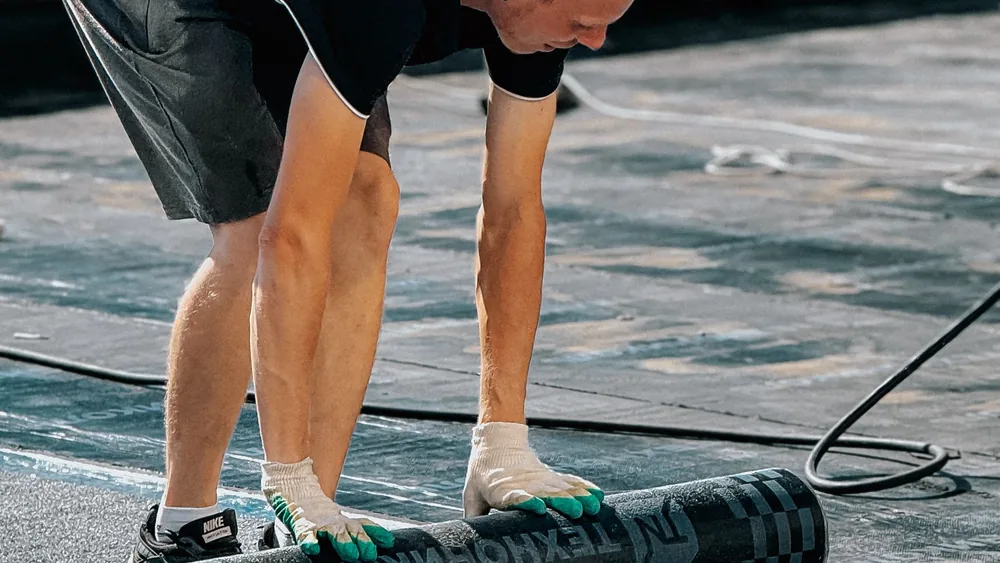
How Each System Is Built (Plies, Cap Sheets, Gravel)
| Built-up roofing (BUR) | Modified bitumen | |
|---|---|---|
| Layers | Base sheet + several plies of fiberglass felt set in asphalt | Base sheet + one or two factory-made modified sheets |
| Made where | Assembled on the roof | Manufactured in a plant, installed on the roof |
| Surface | Flood coat of asphalt with gravel, or a granulated cap sheet | Granulated cap sheet (white options available) or smooth |
| Installation | Hot-mopped asphalt; some cold-applied systems | Torch-applied, hot asphalt, cold adhesive or self-adhered |
| Weight | Heavy, especially with gravel | Lighter than gravel BUR |
System descriptions: Roofers Coffee Shop, Guide to Low-Slope Asphaltic Roofing Systems.
SBS vs APP Modified Bitumen
| SBS (rubber-modified) | APP (plastic-modified) | |
|---|---|---|
| Key trait | Flexible; handles temperature swings and movement | Better UV resistance; ages slower in the sun |
| Installation | Torch, hot asphalt, cold adhesive or self-adhered | Mostly torch-applied |
| Surface | Usually granulated cap sheet | Smooth or granulated |
| Good fit in San Antonio | Roofs with movement and foot traffic | Sunny, exposed roofs |
Cost, Lifespan and Maintenance Compared
| Modified bitumen | Built-up (BUR) | |
|---|---|---|
| Installed cost (San Antonio) | $4.80 – $8.16 / sq ft | $5.76 – $9.60 / sq ft |
| Expected lifespan | 15 – 25 years | 20 – 30 years |
| Maintenance | Patch blisters and cracks; re-coat or re-granulate worn areas | Re-gravel bare areas; repair blisters; check flashings |
| Leak tracing | Moderate | Harder under gravel |
Commercial Roof Guide, San Antonio (Mar 2026).
How They Compare to TPO
| Mod-bit / BUR | TPO | |
|---|---|---|
| Layers | Multiple (redundant) | Single sheet |
| Foot traffic and impact | Very good | Good with thicker membrane |
| Heat reflectivity | Fair; good with white cap sheet or coating | Excellent |
| Installation on occupied buildings | Torch and hot asphalt need fire safety and odor control | Low odor, no open flame |
| Installed cost (San Antonio) | $4.80 – $9.60 | $5.28 – $8.16 |
Many San Antonio buildings that started on BUR or mod-bit are re-roofed with TPO today for heat and installation reasons, but asphalt systems remain a strong choice where durability and redundancy matter most.
Common Problems on Mod-Bit and BUR Roofs (and the Fix)
| Problem | What you see | Fix |
|---|---|---|
| Blisters | Raised bubbles where moisture or air is trapped between layers | Cut out, dry and patch; leave small, intact blisters alone and monitor |
| Lap and seam separation | Edges of sheets lifting, often at end laps | Re-heat or re-adhere and add a cap strip |
| Granule loss | Bare black patches on the cap sheet | Coat or re-surface before the asphalt cracks |
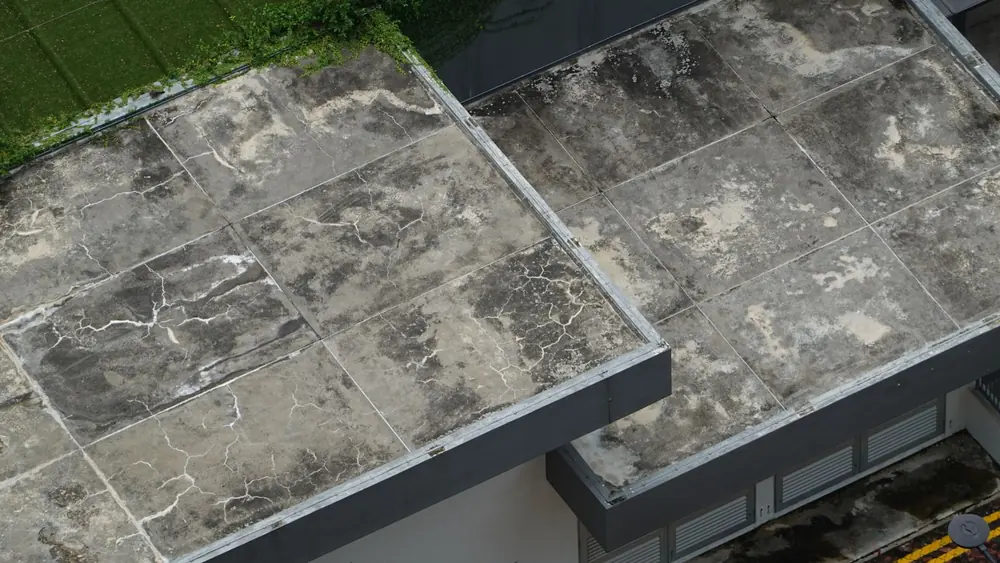
| Alligatoring and cracking | Surface crazing on aged BUR or mod-bit | Coating if the roof is dry; otherwise replacement |
| Wall flashing failure | Flashing sagging or pulling off parapets | Re-flash with new base and counterflashing |
When Each System Makes Sense
- Modified bitumen: heavy rooftop traffic, HVAC service areas, roofs that need multi-ply protection at a moderate price
- BUR: buildings already on BUR where the structure is designed for the weight, or projects that value maximum redundancy
- TPO instead: occupied buildings where torch work or asphalt odor is a problem, and roofs where heat reflectivity is the priority
- Coating instead: aging mod-bit or BUR that is still dry and sound can often be restored with a coating rather than replaced
See modified bitumen roofing, flat roofing in San Antonio and commercial roof coatings in San Antonio.
FAQs | Mod-Bit and BUR
Is torch-down roofing safe on occupied buildings?
It can be, with proper fire-safety procedures, a fire watch after torching, and care around flammable materials and air intakes. Where that’s a concern, self-adhered or cold-applied modified bitumen avoids open flame.
How long does a built-up roof last?
Typically 20 to 30 years in San Antonio with good maintenance. Gravel surfacing protects the asphalt from UV, but bare spots should be re-graveled to keep that protection.
Can modified bitumen be coated?
Yes. Aging mod-bit and BUR roofs are common coating candidates if the insulation is dry and the plies are sound. Gravel must be removed or properly prepared first.
What are the types of modified bitumen roofing?
The two main types are SBS (rubber-modified, flexible) and APP (plastic-modified, more UV-resistant). They can be installed by torch, hot asphalt, cold adhesive or as self-adhered sheets, depending on the product.
Is modified bitumen better than TPO?
It’s tougher under foot traffic and has multi-ply redundancy, but TPO is more reflective and easier to install on occupied buildings. The better choice depends on rooftop traffic, heat and how the building is used.
Is modified bitumen better than EPDM?
Mod-bit is tougher against foot traffic and punctures; EPDM is lighter, has fewer layers and handles cold flexibility well. In San Antonio’s heat, a light-colored cap sheet or a coating is important for either.
Get Your Multi-Ply Roof Evaluated
If your building is on BUR or mod-bit, we’ll check the plies, flashings and insulation and tell you whether to repair, coat, recover or replace.
- Free roof assessment across San Antonio, including Westover Hills, Leon Valley and roof repair in Alamo Heights
- Core samples to see what’s really under the surface
Book your free roof inspection in San Antonio or see commercial roof repair in San Antonio.
Start the conversation
Questions get answered by the roofers who wrote the article, not a chatbot.