

In this article 15 sections
- Does Insurance Cover Wind Damage to a Commercial Roof?
- Common Types of Wind Damage
- Why Wind Damage Starts at Edges and Corners
- What’s Typically Covered and Excluded
- How to Document and File a Wind Claim
- How to Reduce Wind Damage Risk on Your Roof
- FAQs | Wind Damage Claims
- What wind speed damages a commercial roof?
- Is membrane blow-off covered by insurance?
- Does commercial insurance cover wind-driven rain?
- How do I prove damage was caused by wind?
- Should I repair wind damage before the adjuster comes?
- What should I avoid telling the adjuster?
- Will my premium go up after a wind claim?
- Get a Wind Damage Inspection
Does Insurance Cover Wind Damage to a Commercial Roof?
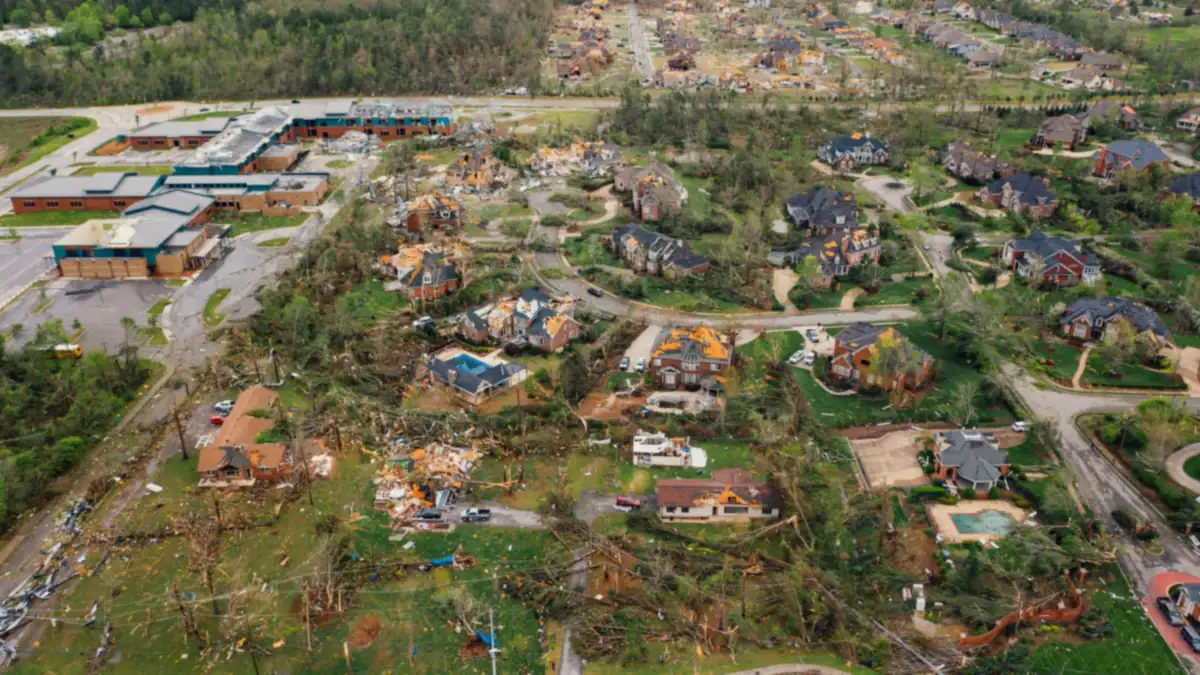
Wind damage on commercial roofs often starts small, at an edge or corner, and grows with the next storm. Here’s what to look for and how claims work, from our storm work across commercial roofing in San Antonio.
Common Types of Wind Damage
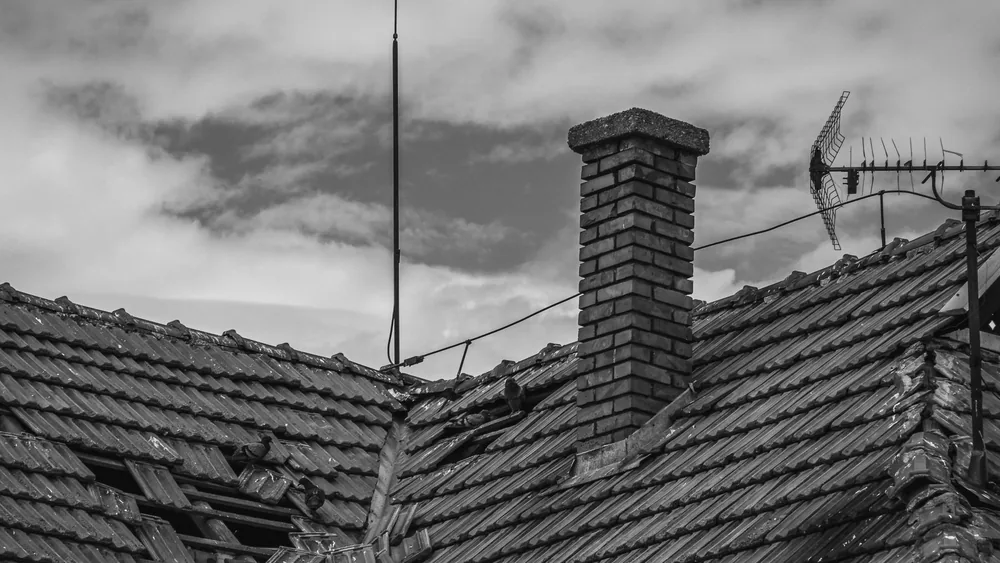
| Damage | What it looks like |
|---|---|
| Edge and corner uplift | Membrane or edge metal lifted at the perimeter and corners, where wind pressure is highest |
| Membrane blow-off | Sections of membrane peeled back or torn away |
| Fastener pull-out | Billowing membrane; fasteners pulled through the deck or insulation |
| Flashing and coping damage | Loose or missing coping caps, counterflashing and trim |
| Debris impact | Punctures and tears from branches, signs or loose rooftop items |
| Rooftop equipment | Displaced HVAC panels, vents and skylights |
San Antonio’s building design wind speed is about 123 mph, and permits check that new roofs meet wind-uplift requirements. Older roofs installed to earlier standards are more exposed.
Why Wind Damage Starts at Edges and Corners
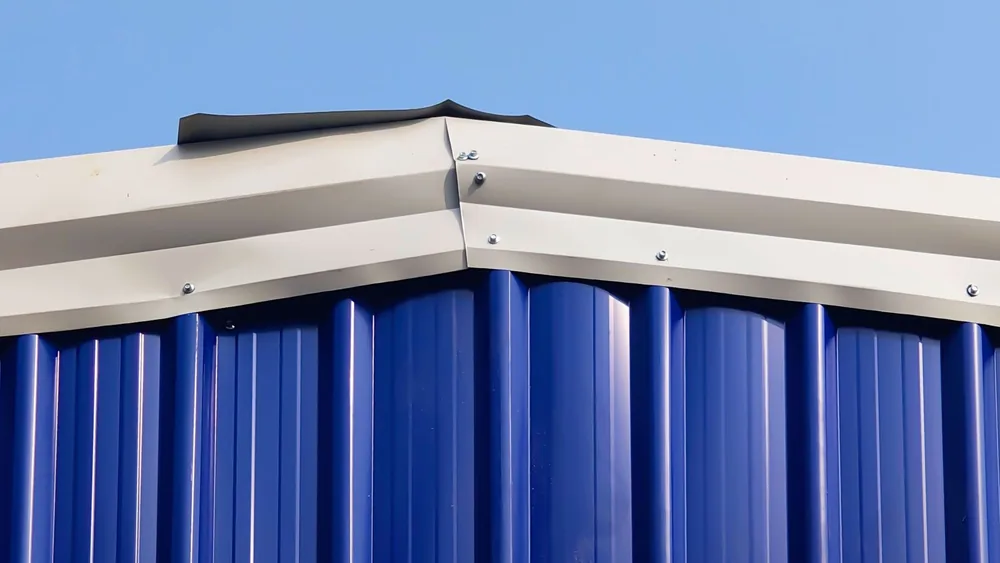
Wind flowing over a roof creates suction that is strongest at the perimeter and corners, so that’s where membranes lift and edge metal peels first. Once the edge opens, wind gets under the membrane and the damage spreads. That’s why edge metal is a code item: the International Building Code (2021, Section 1504.6) requires metal roof edges on low-slope roofs to be tested to ANSI/SPRI/FM 4435/ES-1.
What’s Typically Covered and Excluded
| Usually covered | Usually not covered |
|---|---|
| Sudden damage from a windstorm | Gradual deterioration and age-related failure |
| Wind-blown debris damage | Damage from lack of maintenance |
| Interior water damage caused by wind-created openings | Poor workmanship or installation defects |
| Reasonable emergency repairs to prevent further damage | Damage made worse by not mitigating |
Policies differ, and some carry separate wind/hail deductibles, often as a percentage of the building’s insured value. Review yours with your agent.

How to Document and File a Wind Claim
- Make the building safe and stop water with temporary repairs; keep receipts.
- Photograph damage from the ground and inside, with the storm date.
- Get a professional inspection and written report showing wind-related damage.
- Report the claim promptly; check your policy’s reporting deadline.
- Meet the adjuster with your roofer to show the documented damage.
Texas insurers must acknowledge a claim within 15 days and decide within 15 business days after receiving the information they need. Contractors can document damage, but in Texas they can’t negotiate your claim. That’s for you, a licensed public adjuster or an attorney. See storm and hail damage roof repair.
How to Reduce Wind Damage Risk on Your Roof
- ES-1 tested edge metal and coping, properly fastened
- An FM-rated assembly (for example FM 1-90); the number is the uplift pressure in psf the assembly passed in testing
- Extra fastening at perimeters and corners on mechanically attached membranes
- Secured rooftop equipment, vents and panels
- Twice-yearly inspections of edges, coping and seams, plus checks after high winds
These upgrades also make a claim easier to prove, because damage to a well-attached roof points clearly to the storm, not wear.
FAQs | Wind Damage Claims
What wind speed damages a commercial roof?
It depends on the roof’s age, attachment and condition. Well-attached modern roofs are designed for the local design wind speed, while older or poorly secured roofs can be damaged at much lower speeds, usually starting at edges and corners.
Is membrane blow-off covered by insurance?
Generally yes, when a windstorm causes it. Insurers may dispute coverage if they believe the membrane was poorly attached or already deteriorated, which is why maintenance records help.
Does commercial insurance cover wind-driven rain?
Many policies cover interior rain damage only if wind first created an opening in the roof or walls. Rain entering through an existing gap or worn roof is often excluded.
How do I prove damage was caused by wind?
Storm reports for your date and location, photos taken soon after the storm, a professional inspection showing uplift patterns at edges and corners, and earlier inspection reports showing the roof was in good condition.
Should I repair wind damage before the adjuster comes?
Make temporary repairs to stop further damage and keep receipts, but photograph everything first and hold off on permanent repairs until the adjuster has seen the roof.
What should I avoid telling the adjuster?
Stick to facts you know: the storm date and what you observed. Don’t guess the roof’s age, speculate about old leaks or say the roof was already in bad shape. Let the inspection report speak to condition.
Will my premium go up after a wind claim?
It can, since claims history affects renewal pricing, though weather claims are often priced by area. Ask your agent before filing a small claim close to your deductible.
Get a Wind Damage Inspection
We’ll inspect edges, corners, flashings and attachment, document wind damage with photos and give you a written report.
- Free post-storm inspection across San Antonio, including Westover Hills, storm damage roof repair in Alamo Ranch and Universal City
Schedule your free roof inspection in San Antonio or see emergency roof repair in San Antonio.


Start the conversation
Questions get answered by the roofers who wrote the article, not a chatbot.