

In this article 16 sections
- How Often Should a Commercial Roof Be Maintained?
- Seasonal Maintenance Checklist (Printable)
- What Facility Teams Can Check vs What Needs a Roofer
- Maintenance by Roof Type | TPO, EPDM, Mod-Bit, Metal
- San Antonio Schedule | Before Summer, Before and After Hail Season
- What a Maintenance Program Costs and Saves
- How Maintenance Protects Your Warranty
- FAQs | Commercial Roof Maintenance
- How much does a commercial roof inspection cost?
- What will fail a commercial roof inspection?
- Do flat roofs need more maintenance than sloped roofs?
- How often should a flat roof be resealed?
- Is roof cleaning part of regular maintenance?
- Who pays for roof maintenance in a leased building?
- Can maintenance staff fix small leaks themselves?
- Set Up a Roof Maintenance Plan
How Often Should a Commercial Roof Be Maintained?
Two visits a year sounds like overhead until you compare it with the alternative, and it is the schedule we recommend for every building we maintain as part of our commercial roofing in San Antonio work. Industry studies cited in Building Enclosure found that roofs on a proactive maintenance program lasted about 21 years, compared with 13 years for roofs that only got attention when they leaked. Over a roof’s life, that is the difference between one replacement and two.

Seasonal Maintenance Checklist (Printable)
Print this table and use it on every roof walk. Tick each item, add photos, and keep the sheet with your roof records. Those records matter for warranties and insurance claims later.
| Area | Spring (Feb – Mar) | Fall (Oct – Nov) | After a storm |
|---|---|---|---|
| Drains, scuppers, gutters | Clear debris; flush and test flow | Clear leaves and debris before winter rains | Check for blockages and overflow marks |
| Membrane surface | Look for blisters, cracks, punctures, open seams | Same, plus UV damage after summer | Look for impact marks, tears, fractured spots |
| Seams and laps | Probe for openings and lifted edges | Probe again; heat cycling opens seams | Check for wind-lifted seams |
| Flashings and parapets | Inspect wall and curb flashing, coping caps, counterflashing | Re-seal gaps; check sealant that dried out over summer | Check for displaced coping and torn flashing |
| Penetrations (pipes, vents, curbs) | Check pitch pans and boots | Re-fill pitch pans; check boots for cracking | Check for damage around units |
| Rooftop HVAC and equipment | Check for leaks, condensate lines, loose panels | Check that service crews didn’t leave screws or debris | Check for moved or damaged equipment |
| Ponding water | Note any water still standing 48 hours after rain | Same | Note new low spots |
| Interior | Check ceiling tiles and top-floor walls for stains | Same | Check immediately for new leaks |
| Records | Photos, notes and repair list | Photos, notes and repair list | Date-stamped photos for insurance |
Want this as a one-page PDF? Request the printable checklist and we’ll send it over.
What Facility Teams Can Check vs What Needs a Roofer
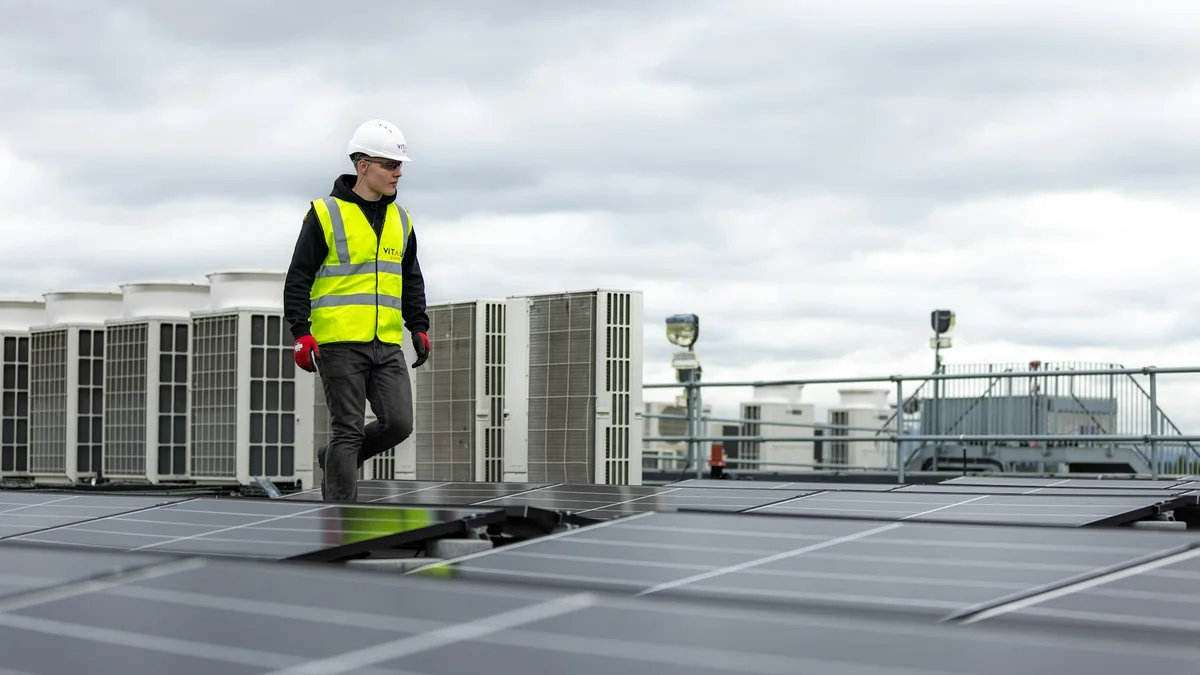
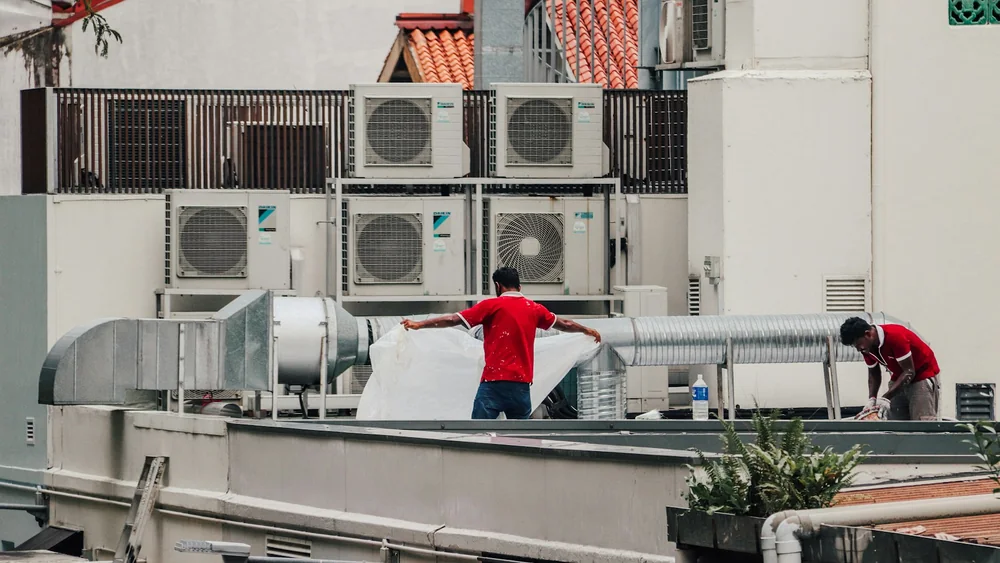
Your in-house team can catch a lot from the ground, from inside the building and from a safe roof walk. Repairs and diagnosis should stay with a commercial roofer, because the wrong patch can void a manufacturer warranty.
| Your facility team can | Leave to a commercial roofer |
|---|---|
| Keep drains and gutters clear of debris | Repair seams, flashings or punctures |
| Watch for ceiling stains and report leaks quickly | Find the true source of a leak |
| Note standing water after rain | Run infrared or moisture surveys |
| Photograph the roof after storms | Document storm damage for an insurance claim |
| Keep a log of who goes on the roof and why | Apply sealants, coatings or patches |
| Make sure HVAC crews use walkway pads | Cut cores to check insulation and deck |
Safety first: only trained staff with proper fall protection should go on the roof. Skylights and roof edges are common fall hazards, and OSHA rules require protection around them.
Maintenance by Roof Type | TPO, EPDM, Mod-Bit, Metal
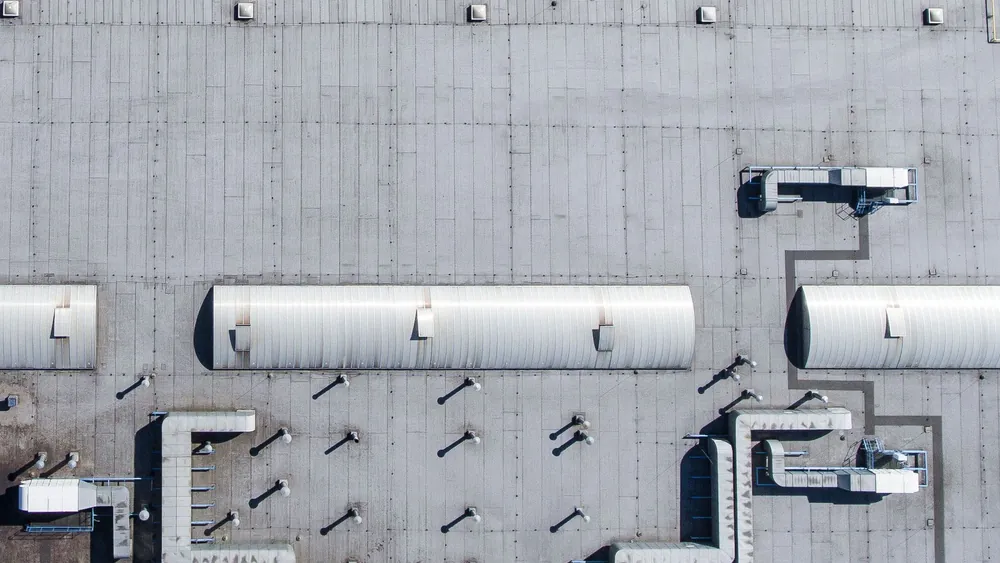
Each system fails in its own way, so each needs a slightly different focus.
| Roof type | What to watch for | Typical maintenance task |
|---|---|---|
| TPO / PVC | Seam separation, punctures from dropped tools, flashing pulling away | Probe seams; heat-weld patches; keep surface clean so it stays reflective |
| EPDM | Shrinkage pulling at edges, seam tape failing, surface cracking | Re-adhere edges; replace failed seam tape; check perimeter flashing |
| Modified bitumen / BUR | Blisters, cracked cap sheet, granule or gravel loss, alligatoring | Patch blisters; re-coat or re-gravel bare areas |
| Metal | Loose or leaking fasteners, rust at laps and cut edges, failed sealant | Tighten or replace fasteners; treat rust; re-seal laps and penetrations |
| Spray foam / coated roofs | Coating wear, bare foam, bird pecks, hail pocks | Patch the coating; schedule recoat before foam is exposed |
When an inspection turns up damage, it moves to commercial roof repair in San Antonio. Metal roofs have their own metal roof repair and restoration process, and a clean, reflective surface is kept up through commercial roof cleaning.
San Antonio Schedule | Before Summer, Before and After Hail Season
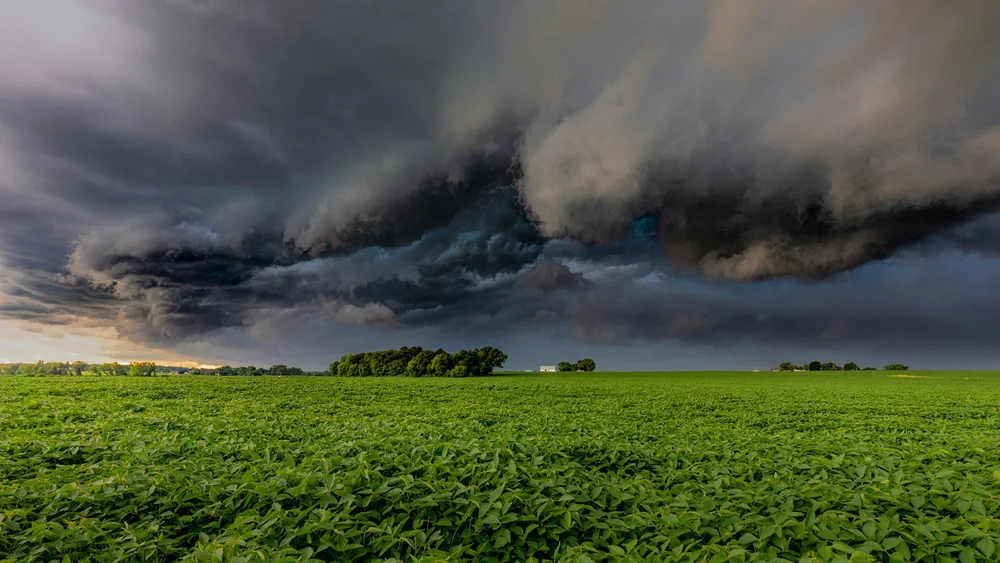
San Antonio roofs are worn down by two things above all: long, intense summer heat and spring hail. NOAA storm reports near San Antonio since 2004 show hail peaking in April and May, with March close behind. Build your calendar around that.
| When | What to do | Why it matters here |
|---|---|---|
| February – early March | Spring inspection, drain cleaning, repair list closed out | Fixes are done before the peak hail months, and you have a dated record of the roof’s condition |
| Within 72 hours of any hailstorm | Post-storm roof check and photos | Some hail damage is hard to see and gets worse with time; a prompt report protects your claim |
| May – June | Clean the surface; check coating and seams before peak heat | A clean white roof stays reflective, and heat cycling opens weak seams |
| October – November | Fall inspection and summer damage repairs | Prepares the roof for fall rains and occasional winter freezes |
Hail season is also the right time to review your insurance documentation. If a storm has already hit, see our hail damage roof repair in San Antonio service.
What a Maintenance Program Costs and Saves
Maintenance programs are usually priced per visit or as an annual agreement based on roof size, access and condition. A commonly used rule of thumb is about 1% to 3% of the roof’s replacement cost per year.
| Example: 50,000 sq ft roof | Amount |
|---|---|
| Replacement cost at $8.00 / sq ft (example) | $400,000 |
| Annual maintenance at 1% – 3% of that | $4,000 – $12,000 per year |
| Life-cycle cost, proactive program (industry studies) | about $0.14 / sq ft |
| Life-cycle cost, reactive repairs only (industry studies) | up to $0.25 / sq ft |
The $8.00 figure is an example, not a quote. Life-cycle figures are from industry studies cited in Building Enclosure.
The savings come from three places:
- Longer roof life. Pushing a replacement back by several years is the single biggest saving.
- Smaller repairs. A loose seam fixed in March costs far less than wet insulation found in July.
- Fewer business disruptions. Leaks over inventory, equipment or tenants cost more than the roof repair itself.
See what is included in our commercial roof maintenance programs.
How Maintenance Protects Your Warranty
Most manufacturer warranties on commercial roofs make the owner responsible for reasonable maintenance. If a claim is filed and there is no record of care, the manufacturer may deny it. Common warranty conditions include:
- Regular inspections and documented maintenance. Keep dated reports and photos.
- Prompt leak reporting, often within a set number of days of discovery.
- Repairs only by an authorized contractor. A patch from an unapproved roofer can void coverage.
- Approval before new penetrations. Adding an HVAC unit, vent or solar array without approval is a common way warranties get voided.
- Keeping drains clear. Damage from long-term ponding caused by clogged drains is often excluded.
Read your own warranty for the exact terms. If you are unsure, ask your roofer to review the warranty terms during the next inspection.
FAQs | Commercial Roof Maintenance
How much does a commercial roof inspection cost?
A basic visual inspection of a commercial roof often costs around $500. An infrared moisture survey usually runs about $0.05 to $0.12 per sq ft, or roughly $1,000 to $2,400 for a 20,000 sq ft roof. Inspections are often included at no extra charge in an annual maintenance agreement.
What will fail a commercial roof inspection?
The most common findings are open seams, wet insulation under the membrane, water standing more than 48 hours after rain, loose or cracked flashing at walls and curbs, rusted or backed-out fasteners on metal roofs, and blistered or cracked surfaces. On a pre-purchase inspection, missing permits or a roof near the end of its life also count against the building.
Do flat roofs need more maintenance than sloped roofs?
Yes, usually. Water drains off a flat roof slowly, so clogged drains, debris and low spots cause problems a sloped roof sheds on its own. Flat roofs also tend to carry HVAC units and foot traffic, which add wear. Regular drain cleaning and seam checks handle most of it.
How often should a flat roof be resealed?
There is no fixed schedule for resealing the whole roof. Sealants at pitch pans, terminations and penetrations should be checked at every inspection and redone when they crack or pull away. A full recoat is only needed when an existing roof coating reaches the end of its service life, typically 10 to 20 years.
Is roof cleaning part of regular maintenance?
It should be. Dirt, leaves and biological growth hold moisture against the membrane and clog drains. On white roofs, a dirty surface also loses much of its reflectivity, which raises cooling costs in summer. Our roof cleaning service in San Antonio is built for commercial membranes.
Who pays for roof maintenance in a leased building?
It depends on the lease. In many triple-net (NNN) leases, tenants pay for roof maintenance and repairs, while the landlord stays responsible for replacement. Gross leases usually leave the roof with the landlord. Check the lease language before scheduling work, and keep the inspection reports to show maintenance was done.
Can maintenance staff fix small leaks themselves?
It’s best not to. Temporary measures, such as catching water inside and clearing a clogged drain, are fine. Patching the membrane with off-the-shelf products often fails, makes the real repair harder, and can void the manufacturer warranty. Report the leak and have it repaired by an authorized commercial roofer.
Set Up a Roof Maintenance Plan
Our team will inspect your roof, give you a written condition report with photos, and set up a twice-yearly plan timed around San Antonio’s hail season and summer heat. Small repairs are handled on the spot when possible, and you get the records you need for your warranty and insurance.
- Free first roof assessment with photo report, anywhere in San Antonio, including Stone Oak, roof repair in Alamo Heights and Leon Valley
- Spring and fall visits plus post-storm checks
- Clear, prioritized repair list. No surprise work.
Start a maintenance plan for your building or learn more about commercial roof maintenance in San Antonio.
Start the conversation
Questions get answered by the roofers who wrote the article, not a chatbot.