

In this article 15 sections
- What Should You Do When Your Commercial Roof Is Leaking?
- Step 1 | Protect People, Equipment and Inventory
- Step 2 | Document Everything for Insurance
- Step 3 | Call for Emergency Repair or Tarping
- Step 4 | Tell Tenants, Staff and Your Insurer
- What Emergency Roofers Do on Site
- After the Emergency | Planning the Permanent Repair
- Be Ready Before the Next Leak
- FAQs | Emergency Roof Leaks
- Will insurance pay for emergency tarping?
- Can roofers repair a leak during rain?
- Who do I call first, my insurer or a roofer?
- How quickly should a commercial roof leak be fixed?
- Should I turn off the HVAC during a roof leak?
- Call Our 24/7 Emergency Roofing Line
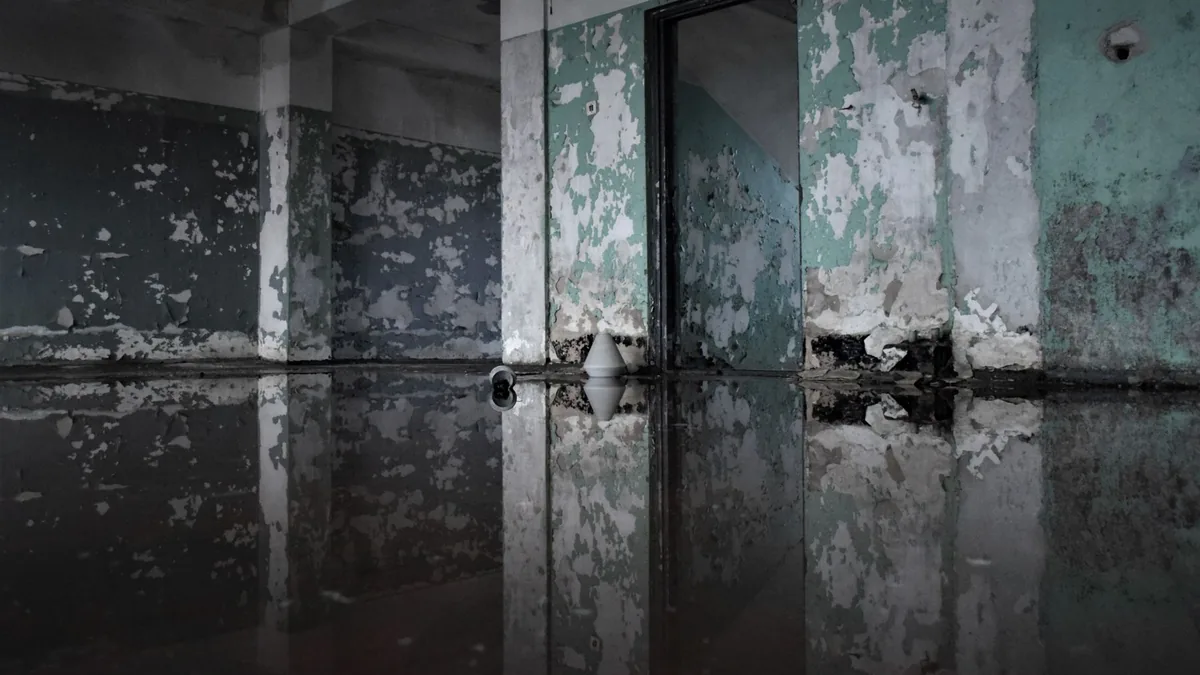
What Should You Do When Your Commercial Roof Is Leaking?
Leaking right now? Call for emergency roof repair in San Antonio. Our crews handle active leaks on commercial and industrial buildings as part of commercial roofing in San Antonio, and the steps below will limit the damage while we’re on the way.

Step 1 | Protect People, Equipment and Inventory
- Keep people clear of wet floors and sagging ceiling tiles.
- Shut off power to wet electrical equipment, lighting and outlets.
- Move inventory, computers and machinery, or cover them with plastic sheeting.
- Put down buckets and use sheeting to channel water into containers.
- If a ceiling is bulging with water, puncture it carefully over a bucket to stop it spreading.

Step 2 | Document Everything for Insurance
- Take date-stamped photos and video of the ceiling, water, damaged goods and equipment.
- Note the time the leak started and the weather.
- Keep damaged materials until the adjuster has seen them, or photograph them clearly first.
- Save every receipt for emergency work, cleanup and equipment rental.
Your policy expects you to take reasonable steps to prevent further damage, so documented emergency work helps your claim. If hail or wind caused the leak, see storm and hail damage roof repair.

Step 3 | Call for Emergency Repair or Tarping
Don’t send staff onto a wet, damaged roof. A commercial roofer will locate the entry point and stop the water with a tarp or temporary seal. Emergency and after-hours work typically costs 25% to 50% more than scheduled repairs, which is usually far less than the cost of water damage below.
Step 4 | Tell Tenants, Staff and Your Insurer
- Tenants and staff: which areas are closed, what to avoid, and who to contact.
- Your insurer or agent: report promptly if the leak followed a storm; ask whether they want to inspect before repairs.
- Your property manager or owner: share photos and the roofer’s arrival time.
- Key vendors: IT for wet equipment, restoration companies for drying and mold prevention.
What Emergency Roofers Do on Site
| Step | What happens |
|---|---|
| 1. Assess safety | Check roof access and stability before anyone walks on it |
| 2. Find the entry point | Trace water from the interior to flashings, seams, penetrations or damage |
| 3. Stop the water | Tarp, temporary patch or emergency sealant |
| 4. Clear drains | Remove debris so water leaves the roof |
| 5. Document | Photos and notes for your records and insurance |
| 6. Schedule permanent repair | Membrane-matched repair once the roof is dry; wet insulation replaced |
After the Emergency | Planning the Permanent Repair
A temporary repair only buys time. Within days of the emergency, get:
- A written report of the cause and how far the damage extends
- A moisture check around the leak for wet insulation
- A permanent repair quote, and if the roof is old, coating or replacement options
- Updated photos and receipts for your insurance file
Be Ready Before the Next Leak
- Keep a roof plan showing drains, roof hatches and shut-off locations
- Store tarps, buckets and plastic sheeting where staff can reach them
- Post the 24/7 roofer number and insurer contact with the facility team
- Keep warranty and insurance documents in one shared folder
- Put the roof on a twice-yearly inspection schedule to catch problems before they leak
FAQs | Emergency Roof Leaks
Will insurance pay for emergency tarping?
Reasonable emergency measures to prevent further damage are commonly covered as part of a covered claim. Keep the invoice and photos, and report the claim promptly.
Can roofers repair a leak during rain?
They can stop the water temporarily with tarps or emergency sealants. Permanent repairs need a dry surface, so they’re done once the weather clears.
Who do I call first, my insurer or a roofer?
Stop the water first: call a roofer for emergency protection, then report the claim to your insurer as soon as possible with your photos and the roofer’s notes.
How quickly should a commercial roof leak be fixed?
Immediately, if water is entering the building. Even a small leak soaks insulation, rusts the deck and can damage inventory and electrical systems within hours.
Should I turn off the HVAC during a roof leak?
If water is near rooftop units, ductwork or electrical components, shutting the affected units off is safer until the roofer and your HVAC contractor check them.
Call Our 24/7 Emergency Roofing Line
If water is coming in, don’t wait. We’ll stop the leak, document the damage and schedule the permanent repair.
- Emergency response across San Antonio, including Westover Hills, commercial roofing in Stone Oak and Live Oak
- Tarping and temporary repairs, then a written permanent repair plan
Get emergency help now or see commercial roof repair in San Antonio.


Start the conversation
Questions get answered by the roofers who wrote the article, not a chatbot.