

In this article 14 sections
- Is Ponding Water on a Flat Roof a Problem?
- The 48-Hour Rule Explained
- What Causes Ponding on a Flat Roof?
- Risks | Leaks, Membrane Damage, Structural Load, Voided Warranty
- Fixes | Drains, Crickets, Tapered Insulation, Re-Sloping
- How to Prevent Ponding From Coming Back
- FAQs | Ponding Water
- Does ponding water void a roof warranty?
- Can a coating stop ponding problems?
- Is ponding covered by insurance?
- Can ponding cause a roof to collapse?
- Who fixes ponding | a roofer or an engineer?
- Is it normal for water to sit on a flat roof after rain?
- Get a Drainage Assessment
Is Ponding Water on a Flat Roof a Problem?
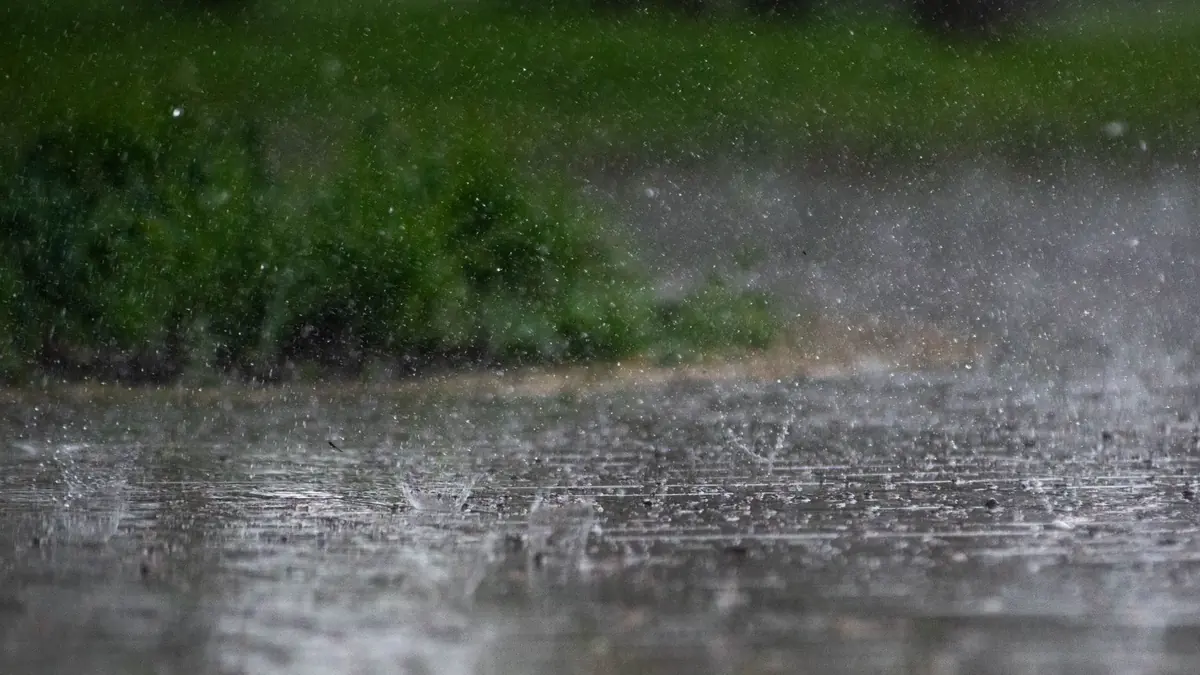
San Antonio’s sudden heavy downpours make drainage especially important on flat roofs. Here’s how to tell normal puddles from real ponding, and how we fix it as part of commercial roofing in San Antonio.

The 48-Hour Rule Explained
| After rain | What it means | What to do |
|---|---|---|
| Water gone within 48 hours | Normal drainage | Nothing; keep drains clear |
| Water still there after 48 hours | Ponding | Find the cause; plan a correction |
| Rings of dirt or debris on a dry roof (“dry lake beds”) | Past ponding | Check seams and flashings in those areas |
| Ponding near seams, flashings or drains | Higher leak risk | Inspect soon |
Ponding definition: NRCA Roofing Manual glossary.
What Causes Ponding on a Flat Roof?
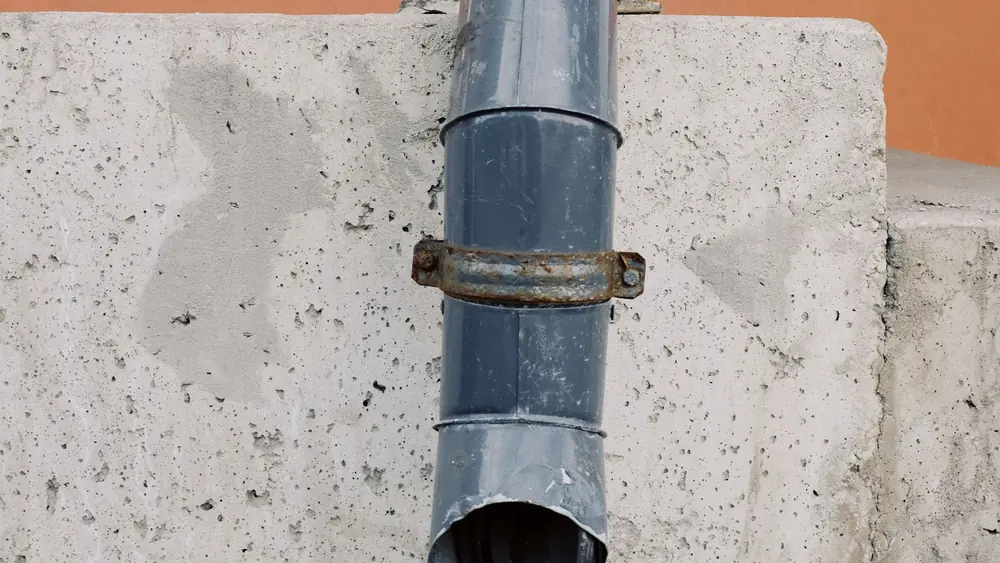
Ponding almost always comes from water having nowhere to go or a low spot forming. Find the cause before choosing a fix:
| Cause | How to recognize it | Usual fix |
|---|---|---|
| Clogged drains or scuppers | Water around a drain; debris in strainers | Clean drains; add guards; schedule cleaning |
| Undersized or poorly placed drains | Water collects away from any drain | Add or relocate drains |
| Not enough slope | Large shallow ponds across the field | Tapered insulation (minimum 1/4 in per ft for new roofs) |
| Crushed insulation | Ponds in traffic paths, near units or stored materials | Replace crushed boards; add walkway pads |
| Deck deflection or settling | Ponds mid-span between joists; growing over time | Engineer review, then re-slope |
| Raised curbs, skylights and hatches | Water trapped on the upslope side | Crickets (saddles) to divert water |
| HVAC condensate on the roof | Wet spots near units even in dry weather | Pipe condensate to a drain |
| Drains left high after a re-roof | Ring of water around the drain sump | Reset drain or build a drain sump |
Causes and the 1/4-in-per-ft minimum slope for new roofs: Polyglass, Understanding Ponding Water.
Risks | Leaks, Membrane Damage, Structural Load, Voided Warranty
| Risk | Why it happens |
|---|---|
| Leaks | Standing water finds any weak seam or flashing in the pond area |
| Faster membrane aging | Constant wet/dry cycles and debris break down the surface |
| Structural load | Water is heavy; deep or large ponds add weight that can deflect the deck further, making the pond deeper |
| Voided warranty | Many manufacturer warranties exclude damage from ponding |
| Algae and debris | Growth and sediment hold moisture and clog drains |
Weight adds up fast: 1 inch of water weighs about 5.2 lb per sq ft. A 1,000 sq ft pond only 2 inches deep puts more than 10,000 lb on the deck.
Fixes | Drains, Crickets, Tapered Insulation, Re-Sloping
| Fix | What it does | Typical cost |
|---|---|---|
| Clear and maintain drains | Restores designed drainage | Low; part of maintenance |
| Add or lower drains | Gives water an exit at the low point | Per drain; varies |
| Crickets and saddles | Small sloped sections that divert water around obstacles | Per area |
| Tapered insulation at drains | Builds slope toward the drain | $600 – $1,500 per drain |
| Ponding correction (general) | Tapered insulation, crickets, drain adjustment in problem areas | $750 – $3,500+ |
| Full re-slope during replacement | Tapered insulation across the roof | Priced with the re-roof |
Costs: SuperSeal Roofing (Apr 2026); The Roofing Brief (2026).
If the roof is due for replacement, building proper slope into the new insulation is the best long-term fix. See flat roofing in San Antonio and commercial roof repair in San Antonio.
How to Prevent Ponding From Coming Back
- Clean drains, scuppers and gutters at least twice a year and after storms
- Install drain guards where trees or debris are common
- Keep heavy materials and equipment off the roof field; use walk pads
- Pipe all HVAC condensate lines to drains
- Photograph the roof a day or two after heavy rain to spot new ponds early
- Build tapered insulation into any future re-roof
FAQs | Ponding Water
Does ponding water void a roof warranty?
It can. Many manufacturer warranties exclude damage caused by ponding water. Check your warranty terms, and keep drains maintained so ponding from clogged drains doesn’t become a coverage issue.
Can a coating stop ponding problems?
A silicone coating can tolerate ponding water better than other coatings, but it doesn’t remove the water or fix the cause. The drainage problem should still be corrected.
Is ponding covered by insurance?
Ponding itself is a drainage or maintenance issue, so it usually isn’t. Sudden damage it contributes to, like a collapse during a storm with clogged drains, may be argued differently. Keeping drains maintained protects both your roof and your claim.
Can ponding cause a roof to collapse?
In severe cases, yes. Water is heavy, and if the deck deflects under it, more water collects in the low spot, which adds even more load. Blocked drains during heavy rain are the most dangerous situation.
Who fixes ponding | a roofer or an engineer?
A roofer fixes drainage, crickets and tapered insulation. If ponding comes from a sagging deck or structural movement, a structural engineer should evaluate it first.
Is it normal for water to sit on a flat roof after rain?
For a few hours to a day, yes. If it’s still there 48 hours after rain in drying weather, it counts as ponding and should be looked at.
Get a Drainage Assessment
We’ll check drains, slope and low spots, look for wet insulation under ponds, and recommend the simplest fix that works.
- Free roof assessment across San Antonio, including Westover Hills, commercial roofing in Stone Oak and Castle Hills
Book your free roof inspection in San Antonio or see commercial roof maintenance programs.


Start the conversation
Questions get answered by the roofers who wrote the article, not a chatbot.